Stepping into the kitchen, many home cooks rely on measuring cups and spoons, but for true precision and consistent results, a kitchen scale is an indispensable tool. Whether you’re a seasoned baker perfecting delicate recipes or simply aiming for healthier portion control, understanding the nuances of kitchen scales can revolutionize your culinary journey. If you’re considering where to find such a valuable gadget, knowing what makes a great kitchen scale is the first step towards a smart purchase, potentially from retailers like Meijer. This guide will walk you through everything you need to know to select the ideal kitchen scale for your home.
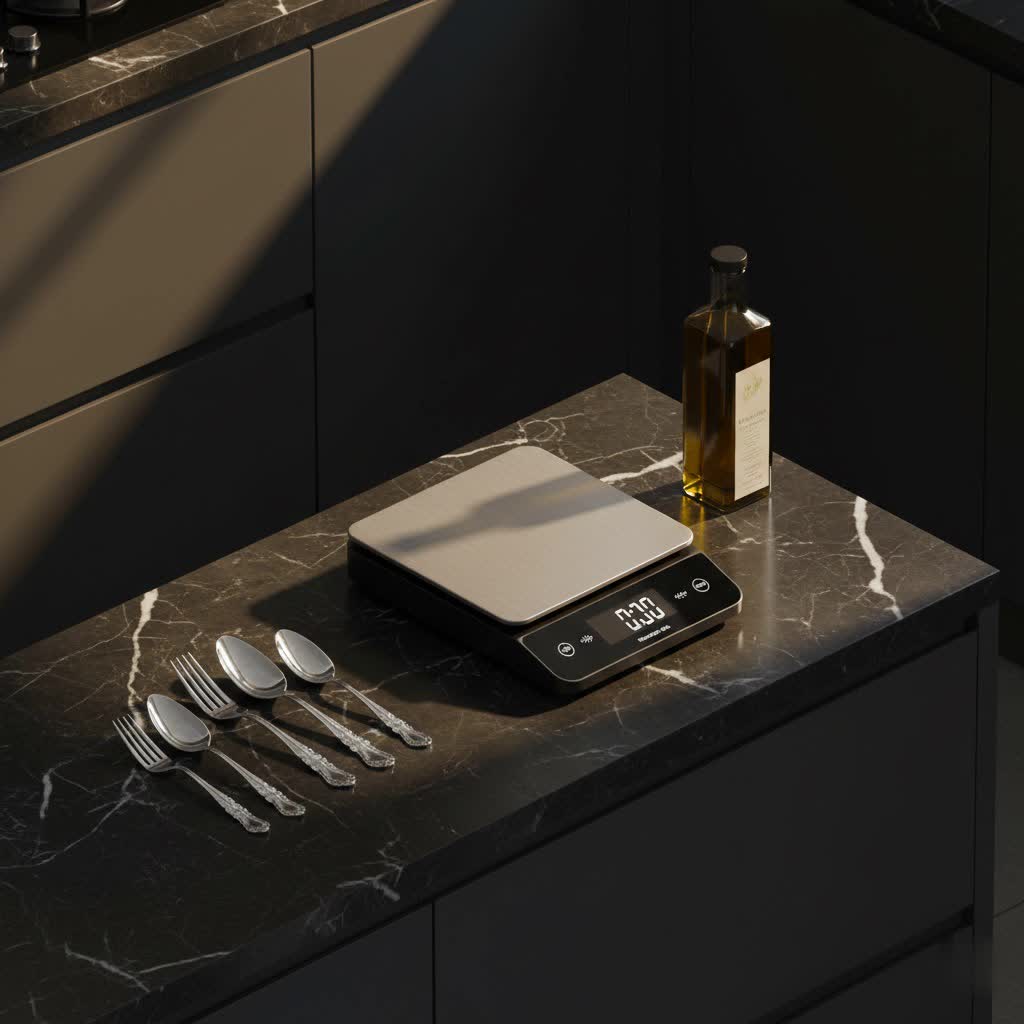
Why You Need a Kitchen Scale
|
Our Picks for the Best Kitchen Scale in 2026
As an Amazon Associate I earn from qualifying purchases.
|
||
| Num | Product | Action |
|---|---|---|
| 1 | Etekcity Digital Food Kitchen Scale, Grams and Oz for Weight Loss, Baking and Cooking, 0.05oz/1g Precise Graduation,5 Weight Units, IPX6 Waterproof, USB Rechargeable,304 Stainless Steel-Silver, 22lb |

|
| 2 | KitchenAid KQ908 Glass Surface 11 Pound Capacity Digital Kitchen and Food Scale, Black |
|
| 3 | Amazon Basics Digital Kitchen Scale with LCD Display, Tare Function, Multiple Units, Weighs up to 11 Pounds, Batteries Included, Black and Stainless Steel |
|
| 4 | Food Scale, 11lb Digital Kitchen Scale with 6 Units LCD Display and Tare Function,Compact Design for Baking,Healthy Cooking,Meal Prep, 304 Stainless Steel |
|
| 5 | OXO Good Grips 11-Pound Stainless Steel Kitchen Scale with Pull-Out Display - Black |
|
| 6 | Food Scale -33lb Digital Kitchen Scale for Food Ounces Grams Rechargeable 304 Stainless Steel,Batteries and Type-C Charging - Perfect for Meal Prep, Cooking, and Baking, Black |
|
| 7 | Mik-Nana Food Scale, 10kg/22lb Digital Kitchen Scale Weight Grams and Ounces for Baking Cooking Coffee Package Postage, 6 Units with Tare Function, LCD Display, Easy Clean Stainless Steel |
|
| 8 | Etekcity Food Kitchen Scale, Digital Grams and Ounces for Weight Loss, Baking, Cooking, Keto and Meal Prep, LCD Display, Medium, 304 Stainless Steel |
|
| 9 | Nicewell Food Scale, 22lb Digital Kitchen Scale Weight Grams and oz for Cooking Baking, 1g/0.1oz Precise Graduation, Stainless Steel and Tempered Glass (Ash Silver) |
|
| 10 | Digital Kitchen Food Scale 33lb-Detachable LCD Display,1g/0.1oz Precise Electronic Weight Scale for Baking, Tare/Hold/Timer Function, Glass Platform, Count Mode, Wall-Mount & Tilt Stand |
|
Accurate measurement is the cornerstone of successful cooking and baking. While volume measurements (cups and spoons) can vary wildly based on how ingredients are packed, weighing ingredients provides consistent results every time. This precision is especially critical in baking, where slight discrepancies in flour or sugar can drastically alter a recipe’s outcome. Beyond baking, a kitchen scale aids in portion control for diet management, ensures even distribution of ingredients for consistent flavors, and minimizes waste by allowing you to use exact amounts. For anyone serious about elevating their cooking, a kitchen scale is not a luxury, but a fundamental necessity.
Popular Types of Kitchen Scales
Kitchen scales primarily come in two main types: digital and mechanical. Each has its own set of advantages and considerations.
Digital Kitchen Scales
Digital scales are by far the most popular choice for modern kitchens due to their high precision and ease of use.
- Advantages:
- High Accuracy: They typically offer measurements down to the gram or tenth of an ounce, crucial for precise recipes.
- Clear Display: Most feature backlit LCD screens that are easy to read.
- Tare Function: This essential feature allows you to zero out the weight of a container or previous ingredient, making it easy to add multiple ingredients to one bowl.
- Multiple Units: Commonly switch between grams, ounces, pounds, and milliliters.
- Compact Design: Many are slim and easy to store.
- Disadvantages:
- Battery Dependent: They require batteries, which need to be replaced periodically.
- Electronic Vulnerability: Can be sensitive to spills and moisture.
Mechanical Kitchen Scales
Also known as analog scales, these scales operate without batteries using a spring mechanism to show weight on a dial.
- Advantages:
- No Batteries Needed: Always ready to use.
- Durability: Often more robust and less susceptible to electronic damage.
- Classic Aesthetic: Some prefer their traditional look.
- Disadvantages:
- Lower Accuracy: Generally less precise than digital scales, often measuring in larger increments (e.g., 5g).
- Less Detailed Readout: Reading the exact weight can be more challenging due to the dial format.
- Limited Features: Lack tare function and multiple unit options.
- Bulky: Can be larger and heavier, taking up more counter or storage space.
Key Factors to Consider When Buying a Kitchen Scale
Choosing the right kitchen scale involves weighing several factors to match your cooking style and needs.
- Accuracy and Precision: For baking, look for scales that measure in 1-gram increments. For general cooking, a 2-gram increment might suffice. Precision ensures your recipes turn out perfectly every time.
- Weight Capacity: Consider the maximum weight you’ll need to measure. Most home cooks find a scale with a capacity of 10-15 pounds (5-7 kg) sufficient for everyday tasks. Some heavy-duty scales can handle up to 22 pounds (10 kg).
- Units of Measurement: Ensure the scale offers the units you commonly use (grams, ounces, pounds, milliliters). The ability to switch easily between these units is a significant convenience.
- Tare Function: This is arguably the most critical feature for any digital kitchen scale. It allows you to place a bowl on the scale, zero out its weight, and then add ingredients without calculating. This function is also useful for measuring multiple ingredients sequentially in the same container.
- Material and Durability: Scales come in various materials, including stainless steel, glass, and plastic.
- Stainless steel is durable, easy to clean, and resistant to stains.
- Tempered glass offers a sleek look and is also easy to wipe clean, though it can be more fragile.
- Plastic scales are often the most affordable and lightweight but may not be as durable or aesthetically pleasing.
Consider a scale with non-slip feet for stability on your countertop.
- Display Readability: A large, clear, and preferably backlit display is essential for easy reading, even in dimly lit kitchens or when a large bowl obscures the platform. Some scales feature pull-out displays to prevent bowls from blocking the view.
- Ease of Cleaning: Kitchen scales can get messy. Look for a scale with a smooth surface and minimal crevices where food particles can accumulate. Removable platforms can be a plus.
- Power Source: Digital scales typically use AAA or button-cell batteries. Consider battery life and ease of replacement. Some advanced models might offer USB charging or even solar power.
- Design and Size: Choose a design that complements your kitchen’s aesthetic and a size that fits comfortably on your counter or in your storage space. Slim profiles are ideal for smaller kitchens.
- Price: Kitchen scales range from budget-friendly options to high-end models with advanced features. Determine your budget and prioritize the features most important to you.
Recommended Kitchen Scale Features
When exploring various models, certain features consistently enhance the user experience:
- Tare/Zero Function: Absolutely essential for precise, multi-ingredient recipes.
- Auto-Off: A power-saving feature that turns the scale off after a period of inactivity. Look for models with a customizable auto-off time (e.g., 2-5 minutes) to avoid frequent restarts during cooking.
- Overload Indicator: Warns you if you’re approaching the scale’s maximum capacity, preventing damage.
- Low Battery Indicator: Lets you know when it’s time to change batteries.
- Hold Function: Allows the display to hold the weight even after the item is removed, useful for large or awkward items.
Popular Kitchen Scale Brands
While retailers like Meijer carry a variety of brands, some names consistently stand out for their quality and reliability in the kitchen scale market. Brands such as OXO Good Grips, Etekcity, Escali, Taylor, and Beurer are frequently reviewed positively for their accuracy, durability, and user-friendly features. These brands often offer a range of models, from basic to more advanced, catering to different needs and budgets.
How to Use and Maintain Your Kitchen Scale
To get the most out of your kitchen scale and ensure its longevity, proper usage and maintenance are key.
Usage Tips:
- Place on a Flat, Stable Surface: Uneven surfaces can affect accuracy.
- Turn On Before Adding Ingredients: For digital scales, turn it on and wait for it to zero before placing anything on it.
- Use the Tare Function: Always tare your container’s weight before adding ingredients. If adding multiple ingredients to one bowl, tare after each addition.
- Add Ingredients Slowly: Especially for small amounts, add ingredients gradually to allow the scale to register the weight accurately.
- Avoid Overloading: Do not exceed the maximum weight capacity.
Maintenance Tips:
- Clean After Each Use: Wipe down the scale with a damp cloth immediately after use to prevent food residue from drying.
- Avoid Submerging: Most kitchen scales are not waterproof; avoid submerging them in water or placing them in a dishwasher.
- Store Properly: Store in a dry place where it won’t be easily knocked over or have heavy objects placed on it.
- Check Batteries: For digital scales, replace batteries when the low battery indicator appears. If storing for a long time, consider removing the batteries to prevent leakage.
- Calibrate (If Applicable): Some high-end scales allow for home calibration with specific weights. Refer to your manual if this feature is available.
Where to Purchase Kitchen Scales
Kitchen scales are widely available, both online and in brick-and-mortar stores. Large retailers like Meijer, big-box stores, department stores, and specialty kitchen stores are excellent places to find a variety of models. Online marketplaces also offer a vast selection with customer reviews and competitive pricing. When buying, ensure the retailer has a good return policy and that the product comes with a manufacturer’s warranty. While shopping at a local store like Meijer allows you to see the product firsthand, online shopping offers convenience and often a wider range of options.
Conclusion
A kitchen scale is a transformative tool for any cook or baker, offering unparalleled accuracy, consistency, and control over your ingredients. By understanding the differences between digital and mechanical scales and considering crucial factors like accuracy, capacity, and the tare function, you can confidently choose a model that meets your culinary demands. Whether you opt for a sleek digital model or a robust mechanical one, investing in a quality kitchen scale will undoubtedly enhance your cooking, leading to more delicious and reliable results every time you step into the kitchen. Are you ready to elevate your cooking with the precision a kitchen scale offers?
Frequently Asked Questions
What is the most accurate type of kitchen scale?
Digital kitchen scales are generally considered the most accurate, often providing measurements down to the gram or tenth of an ounce, making them ideal for recipes requiring precise ingredient ratios, especially in baking.
Is a kitchen scale necessary for home cooking?
While not strictly necessary for all home cooking, a kitchen scale is highly recommended for achieving consistent results, particularly in baking, portion control, and following recipes that use weight measurements. It significantly improves accuracy over volume measurements.
What is the tare function on a kitchen scale?
The tare function allows you to reset the scale to zero after placing a container on it, effectively subtracting the container’s weight. This enables you to measure ingredients directly into any bowl or add multiple ingredients sequentially without manual calculations.
How often should I calibrate my kitchen scale?
Most consumer-grade kitchen scales do not require frequent calibration. If you notice inconsistencies or suspect inaccuracy, check your scale’s manual for calibration instructions, as some models may offer a home calibration feature using specific weights.
Can I use a kitchen scale for liquids?
Yes, you can use a kitchen scale to measure liquids by weight, provided you know the density of the liquid (e.g., water weighs 1 gram per milliliter). The tare function is particularly useful for this, allowing you to weigh the liquid directly in a container.
