In today’s kitchen, where culinary artistry meets scientific precision, an Electronic Digital Kitchen Scale has become an indispensable tool. Whether you’re a seasoned baker, a health-conscious cook, or simply someone who appreciates consistent results, accurate measurements are the cornerstone of successful dishes. Gone are the days of guesswork with imprecise measuring cups; digital scales offer the exactness needed to elevate your cooking and baking to professional levels. This comprehensive guide will explore why a digital kitchen scale is a must-have, what features to prioritize, and how to choose the perfect model for your unique needs.
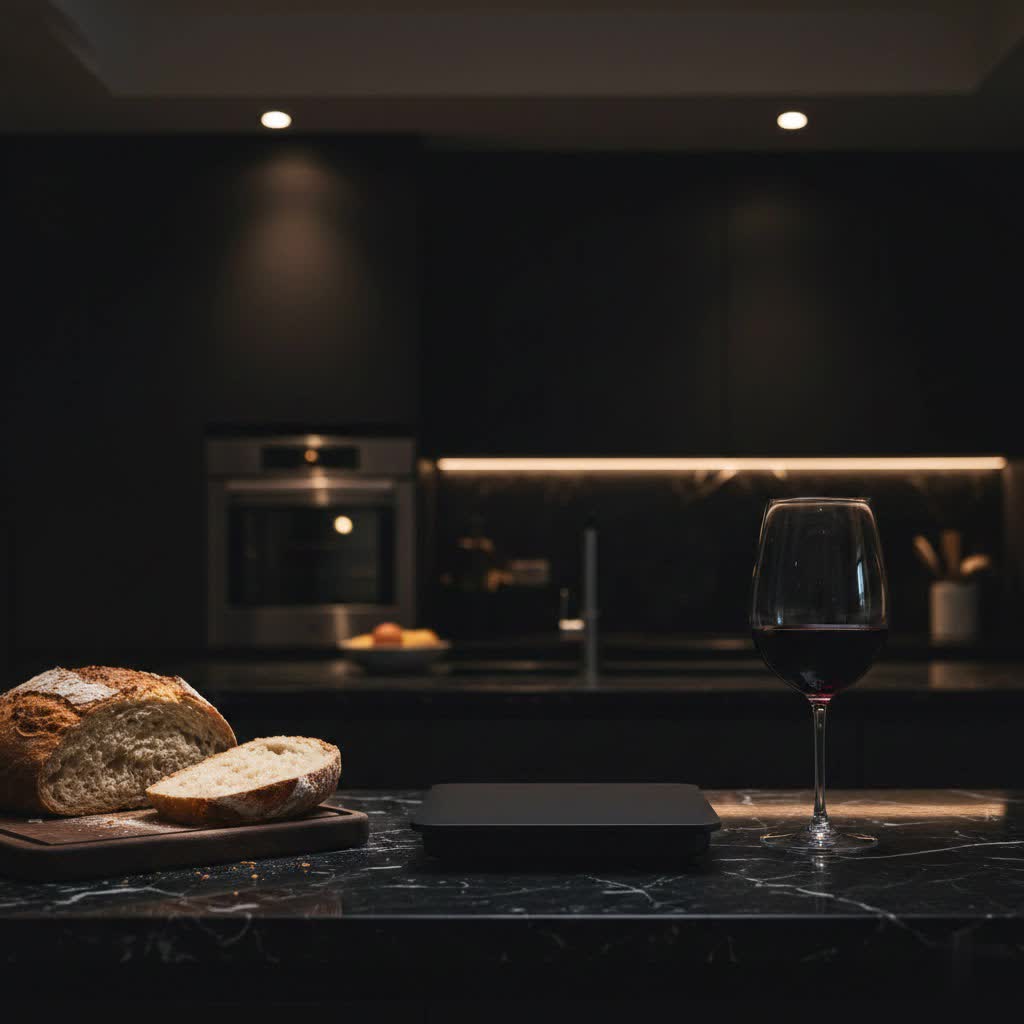
Why You Need an Electronic Digital Kitchen Scale
The importance of precise measurement in cooking and baking cannot be overstated. Volume measurements, such as cups and spoons, can vary significantly depending on how ingredients are packed, leading to inconsistent results. For instance, a “cup” of flour can weigh anywhere from 4 to 6 ounces, a difference that can turn a perfectly moist banana bread into a dry, crumbly mess. An electronic digital kitchen scale eliminates this variability by measuring ingredients by weight, ensuring your recipes turn out perfectly every time.
The benefits extend far beyond just baking:
- Unmatched Accuracy and Consistency: Digital scales provide exact readings, often down to 0.1 gram or 0.01 ounce, which is crucial for delicate recipes, fermentation processes like sourdough, or achieving precise flavor profiles in complex dishes. Professional chef Amanda Scarlati highlights this, stating, “My sourdough recipes are all based on gram measurements and so I rely on an accurate kitchen scale to make sure my recipes come out the way that I want them to.”
- Portion Control and Nutrition Management: For those managing diets, tracking macros, or adhering to specific nutritional plans, a digital scale offers unparalleled control over portion sizes. It’s an invaluable tool for healthy eating and achieving fitness goals.
- Time Efficiency and Reduced Waste: Weighing ingredients is often faster and less messy than using multiple measuring cups and spoons. By reducing guesswork, you minimize mistakes and food waste, making your cooking process more efficient and economical.
- Versatility in Recipe Conversion: Many international recipes use weight-based measurements (grams), making a digital scale essential for expanding your culinary repertoire.
|
Our Picks for the Best Kitchen Scale in 2026
As an Amazon Associate I earn from qualifying purchases.
|
||
| Num | Product | Action |
|---|---|---|
| 1 | Mik-Nana Food Scale, 10kg/22lb Digital Kitchen Scale Weight Grams and Ounces for Baking Cooking Coffee Package Postage, 6 Units with Tare Function, LCD Display, Easy Clean Stainless Steel |

|
| 2 | Food Scale, 11lb Digital Kitchen Scale with 6 Units LCD Display and Tare Function,Compact Design for Baking,Healthy Cooking,Meal Prep, 304 Stainless Steel |
|
| 3 | OXO Good Grips 11-Pound Stainless Steel Kitchen Scale with Pull-Out Display - Black |
|
| 4 | Etekcity Digital Food Kitchen Scale, Grams and Oz for Weight Loss, Baking and Cooking, 0.05oz/1g Precise Graduation,5 Weight Units, IPX6 Waterproof, USB Rechargeable,304 Stainless Steel-Silver, 22lb |
|
| 5 | Etekcity Food Kitchen Scale, Digital Grams and Ounces for Weight Loss, Baking, Cooking, Keto and Meal Prep, LCD Display, Medium, 304 Stainless Steel |
|
| 6 | Nicewell Food Scale, 22lb Digital Kitchen Scale Weight Grams and oz for Cooking Baking, 1g/0.1oz Precise Graduation, Stainless Steel and Tempered Glass (Ash Silver) |
|
| 7 | Digital Kitchen Food Scale 33lb-Detachable LCD Display,1g/0.1oz Precise Electronic Weight Scale for Baking, Tare/Hold/Timer Function, Glass Platform, Count Mode, Wall-Mount & Tilt Stand |
|
| 8 | KitchenAid KQ908 Glass Surface 11 Pound Capacity Digital Kitchen and Food Scale, Black |
|
| 9 | Amazon Basics Digital Kitchen Scale with LCD Display, Tare Function, Multiple Units, Weighs up to 11 Pounds, Batteries Included, Black and Stainless Steel |
|
| 10 | Food Scale -33lb Digital Kitchen Scale for Food Ounces Grams Rechargeable 304 Stainless Steel,Batteries and Type-C Charging - Perfect for Meal Prep, Cooking, and Baking, Black |
|
Understanding Different Types of Kitchen Scales
While the focus here is on electronic digital scales, it’s helpful to understand the landscape of kitchen weighing tools.
- Mechanical Scales: These are traditional, spring-loaded scales. They are typically durable and don’t require batteries, but they are generally less precise and harder to read for small quantities. They often have higher capacities, making them suitable for very large, less precise weighing tasks.
- Electronic Digital Kitchen Scales: These are the most common and versatile choice for modern home cooks. They utilize internal sensors to convert pressure into a precise digital weight reading displayed on an LCD or LED screen. They offer superior accuracy, multiple unit conversions, and features like tare functionality.
- Smart Kitchen Scales: A subset of digital scales, these often include Bluetooth connectivity to sync with smartphone apps for advanced nutrition tracking, recipe management, and personalized dietary insights.
- Precision (Pocket) Scales: Designed for extremely small measurements (e.g., spices, yeast, coffee beans), often measuring to 0.01g. While highly accurate for tiny amounts, their overall capacity is usually much lower, and their small platforms can be impractical for general cooking.
- Hanging Scales: Primarily for weighing very large or awkwardly shaped items, such as large cuts of meat or produce. They typically offer high capacity but are not suitable for precise ingredient measurements in a bowl.
For the average home kitchen, an electronic digital kitchen scale provides the best balance of accuracy, convenience, and versatility.
Key Factors to Consider When Buying an Electronic Digital Kitchen Scale
Choosing the right digital kitchen scale involves evaluating several critical features to ensure it meets your specific culinary needs.
Accuracy and Precision
This is paramount. Look for a scale that measures in fine increments, ideally 0.1 gram or 0.01 ounce, especially if you frequently bake or work with small quantities of ingredients like yeast or spices. High-precision sensors are key to consistent results. Most quality digital scales are accurate down to 1 gram for general cooking.
Weight Capacity
Consider the maximum weight you’ll typically need to measure. Most home kitchen scales offer a capacity of 5 kg (11 lbs), which is sufficient for everyday cooking and baking tasks. If you frequently prepare large batches, weigh whole roasts, or engage in bulk meal prep, scales with capacities up to 10 kg (22 lbs) or more are available. Remember, the capacity includes the weight of any bowl or container you place on the scale.
Measurement Units
A versatile digital scale should allow you to seamlessly switch between common units:
- Grams (g): Essential for baking and international recipes.
- Ounces (oz): Standard in many US recipes.
- Pounds and Ounces (lb:oz): For larger measurements.
- Milliliters (ml) / Fluid Ounces (fl oz): Useful for liquids, though volumetric measurements are often preferred for liquids due to density variations.
Tare Function
This feature is non-negotiable. The “tare” function allows you to reset the scale to zero after placing a container on it, so you only measure the weight of the ingredients. It’s also invaluable for adding multiple ingredients to the same bowl, zeroing the scale after each addition to get precise cumulative measurements.
Display Readability
A clear, easy-to-read display is crucial. Look for:
- Backlighting: Essential for visibility in various lighting conditions.
- Large Digits: Makes reading quick and effortless.
- Placement: Some scales feature pull-out displays or displays positioned off-center or at an angle to prevent large bowls from obscuring the screen.
Material and Durability
The materials affect both hygiene and longevity.
- Stainless Steel: Durable, easy to wipe clean, resistant to stains and odors, and often provides a sleek, modern aesthetic. Many models feature a stainless steel platform.
- Tempered Glass: Offers a sophisticated look, is easy to clean, and resistant to stains.
- BPA-Free Plastic: Often used for the body or certain components, ensuring food safety.
- Anti-slip Feet: Important for stability on your countertop.
Power Source and Battery Life
Most digital scales run on AAA batteries, with some offering USB-rechargeable options for eco-friendliness. An auto-off function is a common and useful feature that conserves battery life by turning off the scale after a period of inactivity (e.g., 2-3 minutes). A low battery indicator is also helpful.
Design and Portability
Consider how the scale will fit into your kitchen.
- Slim Profile: Ideal for easy storage in drawers or cabinets.
- Compact Size: Saves valuable counter space.
- Stable Platform: Ensures accurate readings, even with larger bowls.
Smart Features and Connectivity
For those focused on advanced nutrition tracking or recipe management, smart scales with Bluetooth connectivity can link to apps on your phone, automating the logging of ingredients and nutritional data. This can be particularly beneficial for fitness enthusiasts or those with specific dietary requirements.
Comparing Top Electronic Digital Kitchen Scales
While specific model recommendations can change frequently, digital kitchen scales generally fall into categories based on their strengths and features. When choosing, consider what truly matters for your cooking style:
| Feature/Category | Best For Precision Baking | Best for General Home Use | Best Value / Basic Needs | Best Smart Features | Best High Capacity |
|---|---|---|---|---|---|
| Accuracy | 0.1g increments | 1g increments | 1g increments | 0.1g – 1g increments | 1g increments |
| Capacity | 5-10 kg (11-22 lbs) | 5 kg (11 lbs) | 5 kg (11 lbs) | 5-10 kg (11-22 lbs) | 10-30 kg (22-66 lbs) |
| Key Features | Highly sensitive sensors, fast tare | Tare, multiple units, clear display | Tare, multiple units | Bluetooth, app integration, nutrition tracking | Large platform, robust build |
| Material | Stainless steel, tempered glass | Stainless steel, glass, or durable plastic | Plastic or basic stainless steel | Stainless steel, glass | Heavy-duty stainless steel |
| Display | Backlit, possibly pull-out/tilted | Backlit LCD/LED, large digits | Clear LCD | Backlit, intuitive interface | Large, easy-to-read |
| Considerations | Ideal for coffee, yeast, delicate recipes | Everyday cooking, meal prep | Budget-friendly, straightforward operation | For health tracking, tech enthusiasts | Bulk cooking, large items, commercial use |
> “Achieving precise measurements is the key to culinary perfection, especially in baking or meal preparation. The Cybergiant Digital Kitchen Food Scale takes the guesswork out of cooking, ensuring your recipes turn out perfectly every time.”
How to Use and Care for Your Electronic Digital Kitchen Scale
To maximize the accuracy and lifespan of your digital kitchen scale, follow these simple guidelines:
Proper Usage
- Placement: Always use the scale on a flat, stable, and level surface to ensure accurate readings. Uneven surfaces can lead to discrepancies.
- Turn On Before Adding: Turn on the scale before placing any items on it.
- Tare Function: To weigh ingredients in a container or add multiple ingredients:
- Place the empty container on the scale and wait for the weight to stabilize.
- Press the “Tare” or “Zero” button. The display will reset to zero.
- Add your first ingredient.
- To add more ingredients, press “Tare” again after each addition, then add the next ingredient.
- Unit Conversion: Use the “Unit” or “Mode” button to switch between grams, ounces, pounds, or milliliters as needed.
- Avoid Overload: Do not exceed the maximum weight capacity of your scale, as this can damage the sensors.
Maintenance and Care
- Cleaning: Most digital scales have surfaces like stainless steel or tempered glass that are easy to clean. Wipe the platform and body with a damp cloth. Avoid submerging the scale in water unless it is specifically rated as waterproof. Pay attention to crevices where food can get stuck, especially around buttons or pull-out displays.
- Storage: Store your scale in a dry place, away from extreme temperatures and humidity. Its slim profile makes it easy to store in a drawer or cabinet.
- Battery Replacement: Replace batteries when the low battery indicator appears. If storing the scale for a long period, it’s wise to remove the batteries to prevent leakage.
- Calibration: While most modern digital scales are factory-calibrated, some high-end models offer manual calibration. Refer to your user manual if you suspect accuracy issues.
Where to Buy Electronic Digital Kitchen Scales
Electronic digital kitchen scales are widely available through various channels:
- Online Retailers: Websites like Amazon, Walmart, and specialty kitchenware stores offer the broadest selection, competitive pricing, and user reviews. This is often the most convenient option. When buying online, scrutinize product descriptions, customer reviews, and warranty information.
- Department Stores and Home Goods Retailers: Stores like Macy’s, Target, and Kohl’s often carry a selection of popular brands. This allows you to physically examine the product before purchase.
- Specialty Kitchen Stores: These stores may offer a curated selection of higher-end models and expert advice.
When purchasing, especially online, always check the seller’s reputation, read recent customer reviews, and confirm the warranty and return policy. Ensure the product is new and in its original packaging.
Conclusion
An electronic digital kitchen scale is more than just a gadget; it’s a fundamental tool for anyone serious about improving their culinary skills, managing their health, or simply enjoying the consistent perfection of precisely measured ingredients. From flawless sourdough loaves to perfectly portioned meals, the accuracy and versatility these scales offer are unmatched. By considering factors like precision, capacity, unit options, and display readability, you can confidently select a scale that will become an invaluable asset in your kitchen. Embrace the exactness of an electronic digital kitchen scale and unlock a new level of culinary confidence.
What culinary creations will you perfect with the newfound precision of your digital kitchen scale?
Frequently Asked Questions
What is the ideal accuracy for an electronic digital kitchen scale?
For most cooking and baking, an accuracy of 1 gram (or 0.05 ounces) is excellent. However, for highly precise tasks like weighing yeast, spices, or coffee, look for scales that measure down to 0.1 gram.
Can electronic digital kitchen scales measure liquids?
Yes, most digital scales can measure liquids in milliliters (ml) or fluid ounces (fl oz) by weight. However, due to varying densities, measuring by volume (using measuring cups) is often preferred for liquids in recipes, unless specified by weight.
How do I clean my digital kitchen scale effectively?
For most models, simply wipe the weighing platform and body with a damp cloth and mild detergent, then dry thoroughly. Avoid harsh abrasives or submerging the scale in water, as this can damage the electronic components unless the scale is explicitly waterproof.
Is the tare function essential on a kitchen scale?
Absolutely. The tare function allows you to zero out the weight of any container before adding ingredients, or to measure multiple ingredients sequentially in the same bowl. Without it, precise measurement becomes significantly more cumbersome.
Are smart kitchen scales worth the extra cost?
Smart kitchen scales with Bluetooth connectivity are beneficial if you actively track nutrition, follow complex dietary plans, or want to integrate your cooking data with health apps. For basic weighing needs, a standard digital scale offers similar precision without the additional smart features and cost.
