In the heart of every great kitchen, whether bustling with professional chefs or a cozy home haven, lies a silent hero: the kitchen scale. For over a decade, as an Admin at reviewsxai.com and a dedicated technician, I’ve seen how this seemingly simple device transforms cooking and baking, elevating dishes from good to extraordinary. Moving beyond guesswork, a reliable Kitchen Scale Balance brings an unprecedented level of accuracy to your culinary pursuits, ensuring consistent results, perfect portions, and ultimately, a more enjoyable and efficient cooking experience.
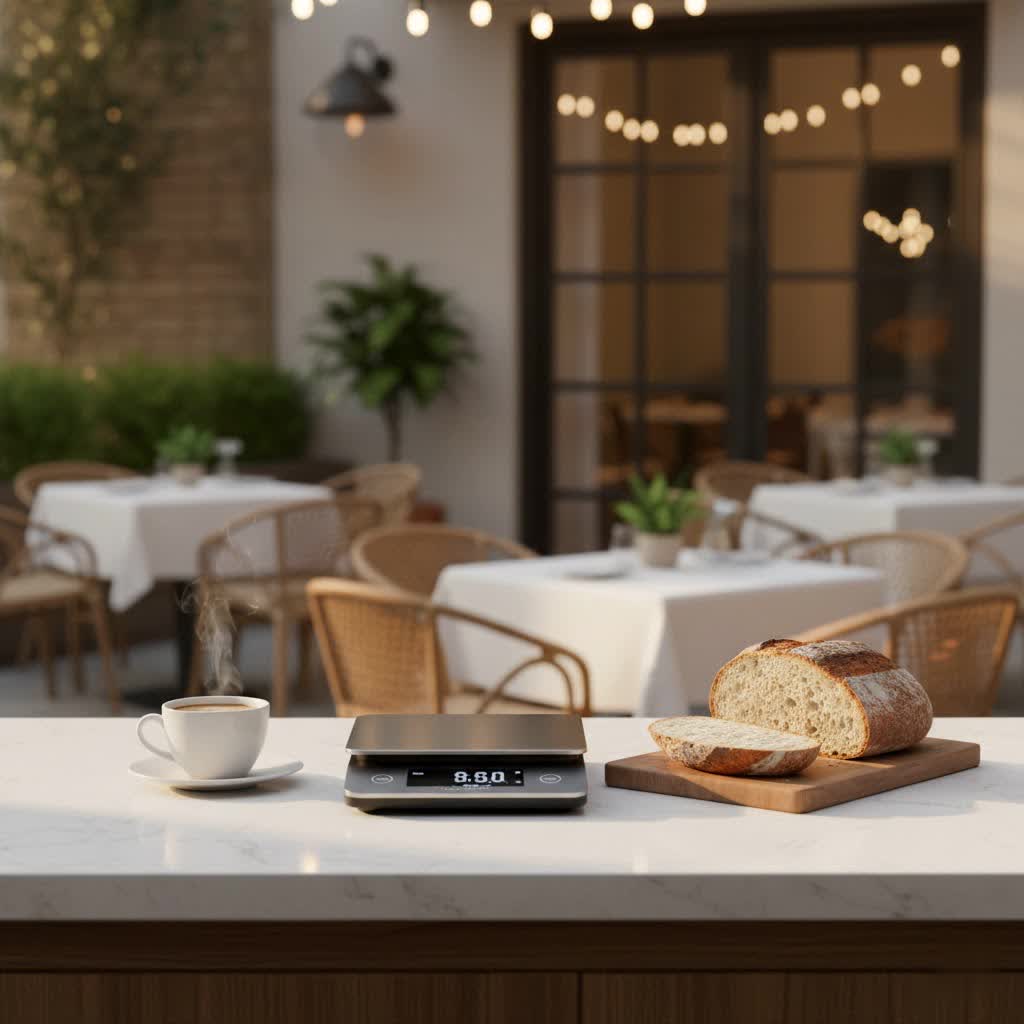
Why Every Kitchen Needs a Scale: The Power of Precise Measurement
Why should a kitchen scale be a cornerstone of your culinary toolkit? The answer lies in precision. Unlike measuring cups, which can vary wildly depending on how ingredients are packed or scooped, a kitchen scale measures by weight, providing an exact figure that leaves no room for error. This meticulous approach is crucial, especially in baking, where even minor discrepancies in flour or sugar can drastically alter the texture and outcome of a recipe.
The benefits extend far beyond just accuracy. Using a kitchen scale leads to consistent results every time, ensuring your favorite cookies taste the same with each batch. It minimizes mess, as you can often add ingredients directly into your mixing bowl, taring the scale between additions instead of dirtying multiple measuring tools. This method also saves time, streamlining your preparation process. For health-conscious cooks, a kitchen scale is invaluable for portion control, helping to manage dietary intake and achieve health goals by providing true serving sizes. Ultimately, whether you’re a seasoned baker perfecting a delicate soufflé or a home cook experimenting with new flavors, a kitchen scale is an indispensable tool for achieving culinary excellence.
Understanding Kitchen Scales: Types and Their Mechanics
The world of kitchen scales offers diverse options, each with its unique advantages and ideal applications. Understanding the main types will help you choose the best fit for your cooking style.
Digital Scales
Digital kitchen scales are the most popular choice today, known for their high accuracy and convenience. They operate using electronic sensors to detect weight, displaying precise measurements on an easy-to-read LCD screen. Most digital scales can measure in fine increments, often down to 0.1 or 1 gram, making them perfect for recipes demanding exact proportions. Key features commonly include:
- Tare Function: Allows you to reset the scale to zero after placing a container on it, or after adding an ingredient, so you can measure subsequent ingredients accurately in the same bowl.
- Unit Conversion: Effortlessly switches between common units like grams, ounces, pounds, and sometimes milliliters for liquids.
- Auto Shut-off: Conserves battery life by turning off after a period of inactivity.
- Backlit Display: Enhances readability, especially in low-light conditions.
|
Our Picks for the Best Kitchen Scale in 2026
As an Amazon Associate I earn from qualifying purchases.
|
||
| Num | Product | Action |
|---|---|---|
| 1 | OXO Good Grips 11-Pound Stainless Steel Kitchen Scale with Pull-Out Display - Black |

|
| 2 | Etekcity Digital Food Kitchen Scale, Grams and Oz for Weight Loss, Baking and Cooking, 0.05oz/1g Precise Graduation,5 Weight Units, IPX6 Waterproof, USB Rechargeable,304 Stainless Steel-Silver, 22lb |
|
| 3 | Etekcity Food Kitchen Scale, Digital Grams and Ounces for Weight Loss, Baking, Cooking, Keto and Meal Prep, LCD Display, Medium, 304 Stainless Steel |
|
| 4 | Digital Kitchen Food Scale 33lb-Detachable LCD Display,1g/0.1oz Precise Electronic Weight Scale for Baking, Tare/Hold/Timer Function, Glass Platform, Count Mode, Wall-Mount & Tilt Stand |
|
| 5 | Food Scale, 11lb Digital Kitchen Scale with 6 Units LCD Display and Tare Function,Compact Design for Baking,Healthy Cooking,Meal Prep, 304 Stainless Steel |
|
| 6 | Nicewell Food Scale, 22lb Digital Kitchen Scale Weight Grams and oz for Cooking Baking, 1g/0.1oz Precise Graduation, Stainless Steel and Tempered Glass (Ash Silver) |
|
| 7 | Amazon Basics Digital Kitchen Scale with LCD Display, Tare Function, Multiple Units, Weighs up to 11 Pounds, Batteries Included, Black and Stainless Steel |
|
| 8 | KitchenAid KQ908 Glass Surface 11 Pound Capacity Digital Kitchen and Food Scale, Black |
|
| 9 | Mik-Nana Food Scale, 10kg/22lb Digital Kitchen Scale Weight Grams and Ounces for Baking Cooking Coffee Package Postage, 6 Units with Tare Function, LCD Display, Easy Clean Stainless Steel |
|
| 10 | Food Scale -33lb Digital Kitchen Scale for Food Ounces Grams Rechargeable 304 Stainless Steel,Batteries and Type-C Charging - Perfect for Meal Prep, Cooking, and Baking, Black |
|
Digital scales are excellent for all types of cooking and baking, offering versatility and reliable performance.
Mechanical Scales
Mechanical, or analog, kitchen scales are a more traditional option. These scales use a spring mechanism that moves a dial or pointer to indicate weight. They are often praised for their durability and don’t require batteries, making them reliable in any situation.
- Advantages: Sturdy, often more affordable, and no need for power.
- Disadvantages: Generally less precise than digital scales, with accuracy potentially decreasing over time due to spring tension changes. Readings can also be harder to interpret accurately due to the analog dial.
While less common for high-precision tasks like baking, mechanical scales can be sufficient for general cooking needs where exact measurements are less critical.
Specialty Scales
Beyond the two main types, a few specialized kitchen scales cater to specific needs:
- Smart Nutrition Scales: These connect to smartphone apps, providing detailed nutritional information (calories, fat, protein, carbs) for ingredients, ideal for meal planning and dietary tracking.
- Hanging Scales: Primarily used in commercial settings for weighing very large quantities of food, freeing up counter space.
- Gram Pocket Scales: Compact and highly precise, these are designed for measuring very small amounts, often down to 0.01 grams, making them suitable for spices or extremely potent ingredients.
Choosing Your Perfect Kitchen Scale: Key Factors to Consider
Selecting the right kitchen scale involves more than just picking the first one you see. Several crucial factors influence a scale’s suitability for your unique culinary demands.
Accuracy
The level of precision you need is paramount. For general cooking, a scale accurate to 1 gram (or 0.1 ounce) is usually sufficient. However, for serious bakers, coffee enthusiasts, or those portioning very small ingredients like spices, a scale with 0.1 gram (or even 0.01 gram) increments offers the exactness required. Always consider your most frequent weighing tasks.
Capacity (Tải trọng)
Kitchen scales come with varying maximum weight capacities. Most home kitchen scales handle up to 5 kg (11 lbs), which is ample for everyday cooking and baking. If you frequently prepare large batches, bake heavy loaves of bread, or do extensive meal prepping, a high-capacity scale of 10 kg (22 lbs) or more might be a better investment.
Units of Measurement (Đơn vị đo)
Ensure the scale offers the units you commonly use or require for your recipes. Standard units include grams (g), ounces (oz), and pounds (lb). Many digital scales also include milliliters (ml) for liquid measurements, though this is often a conversion from weight and assumes a density close to water. The ability to switch between metric and imperial units is highly convenient.
Additional Features (Tính năng bổ sung)
Modern kitchen scales boast a range of features that enhance usability:
- Tare Function: Absolutely essential for measuring multiple ingredients in the same bowl without having to do manual calculations.
- Hold Function: Keeps the weight displayed even after the item is removed, useful for large, bulky items.
- Backlight Display: Improves readability, particularly in dimmer kitchens or when shadows obscure the screen.
- Auto Shut-off: A battery-saving feature, typically activating after 1-3 minutes of inactivity.
- Liquid Measurement: Some scales offer dedicated modes for water and milk, accounting for their differing densities.
Material (Chất liệu)
The material of your kitchen scale impacts its durability, ease of cleaning, and aesthetic appeal.
- Stainless Steel: A popular choice for its robustness, resistance to corrosion, and sleek appearance. It’s easy to wipe clean, making it a hygienic option.
- Plastic: Often lighter and more budget-friendly. While durable, some plastics can stain or scratch over time.
- Glass: Provides a modern look and an easy-to-clean surface, but is more prone to breakage if dropped or mishandled.
Design and Size (Thiết kế)
Consider the scale’s footprint and how it will fit into your kitchen. Slim designs are excellent for storage, while larger platforms can accommodate bigger bowls. Features like a pull-out display (found on some OXO models) are invaluable, preventing large bowls from obscuring the screen. A stable base with non-slip feet is also crucial for accurate and safe weighing.
Power Source
Most digital scales run on AAA or AA batteries, while some newer models offer USB-rechargeable options, which can be more eco-friendly and convenient.
Price (Giá cả)
Kitchen scales are available across a wide price spectrum. Basic, reliable models can be very affordable, while feature-rich or professional-grade scales will naturally cost more. Determine your budget and prioritize the features most important to you. Often, a mid-range digital scale offers the best balance of features, accuracy, and value.
Top Kitchen Scales for Every Culinary Need
The market is rich with excellent kitchen scales, each with its strengths. While specific models evolve, a few consistently receive high marks for their performance and features.
- Best Overall: Models like the OXO Good Grips Stainless Steel Food Scale with Pull-Out Display are frequently lauded for their accuracy, user-friendly design, and a unique pull-out display that solves the common problem of large bowls obscuring the screen. They often feature a good capacity (around 11 lbs or 5 kg) and precise 1-gram increments, making them suitable for most tasks.
- Best Value: Amazon Basics Digital Kitchen Scales often stand out for their affordability without compromising too much on accuracy for everyday use. They are generally compact, offer basic unit conversions, and have a tare function.
- Best for Bakers/Precision: Scales such as the My Weigh KD-8000 are favored by serious bakers for their exceptional accuracy, fine increments (sometimes down to 0.1g), and additional features like percentage weighing, which is invaluable for intricate recipes.
- Reliable and Compact: Brands like Etekcity and Escali Primo frequently appear in “best of” lists for offering accurate, responsive, and easy-to-store digital scales that provide great bang for your buck for general kitchen use. Some even offer smart features like distinguishing between milk and water.
- Dual Platform Scales: While some dual-platform scales (one for larger weights, one for very small) exist, reviews suggest they can sometimes struggle with consistent accuracy across both platforms. For most home cooks, a good general-purpose digital scale with fine increments and a reliable set of measuring spoons for tiny amounts is often more effective.
When considering specific models, always check recent reviews, calibration test results, and user feedback regarding responsiveness and durability.
Maximizing Your Kitchen Scale: Usage and Care Tips
To ensure your kitchen scale balance delivers consistent and accurate results for years to come, proper usage and diligent care are essential.
How to Use a Kitchen Scale Correctly
- Stable Surface: Always place your scale on a flat, level, and stable surface. Any wobbling can lead to inaccurate readings. Keep the area clear of other objects that might interfere with the scale’s sensors.
- Turn On and Tare: Turn on your digital scale. Place your empty bowl or container on the platform, then press the “tare” (or zero) button. This subtracts the weight of the container, allowing you to measure only your ingredients. Avoid placing a bowl on the scale and then turning it on, as this can sometimes cause errors.
- Slow and Steady: Add ingredients slowly and deliberately. This allows the scale’s sensors to register the weight accurately without overshooting your target. For very precise measurements, it helps to use a spoon to add small amounts at a time.
- Center the Weight: Always place items as centrally as possible on the weighing platform. If a bowl is too wide or off-center, it can lead to skewed readings. If your bowl is too large and obstructs the display, consider a taller, narrower container that sits comfortably on the scale or a scale with a pull-out display.
- Choose the Right Unit: Double-check your recipe’s unit of measurement and set your scale accordingly (grams, ounces, etc.).
Maintenance for Longevity
- Clean Regularly: Wipe down your scale with a damp cloth after each use, especially if there are spills or food residue. For stainless steel, use a mild cleaner. Avoid submerging electronic scales in water.
- Store Properly: Store your scale in a dry place where it won’t be exposed to extreme temperatures or heavy objects that could damage the sensors. Many slim designs can easily fit into a drawer or stand upright.
- Battery Care: Replace batteries promptly when indicated. If storing the scale for an extended period, remove the batteries to prevent leakage and damage.
- Calibration: Most digital scales come factory-calibrated. However, over time or with heavy use, they might need recalibration. Refer to your user manual for specific instructions, which often involve using a known weight (like a new coin or a dedicated calibration weight) to reset the scale’s accuracy.
By following these simple guidelines, your kitchen scale will remain a reliable partner in your culinary adventures.
Where to Purchase Your Kitchen Scale
Finding the perfect kitchen scale balance is easier than ever with numerous purchasing options available.
Popular Retail Channels
- Online Marketplaces: Websites like Amazon, eBay, and specialty kitchenware sites offer the widest selection, often with competitive prices and user reviews to guide your choice. Brands like Etekcity, OXO, and Escali are readily available here.
- Department Stores: Retailers such as Macy’s, Target, and Walmart typically stock a range of kitchen scales, allowing you to see and feel the product before buying.
- Specialty Kitchen Stores: Stores dedicated to kitchen gadgets and baking supplies often carry higher-end or unique models, and staff can provide expert advice.
- Manufacturer Websites: Many brands sell directly from their own websites, sometimes offering exclusive models or bundles.
Tips for Online Shopping
- Read Reviews: Pay close attention to customer reviews regarding accuracy, durability, and ease of use.
- Check Specifications: Confirm the capacity, units, and any special features (like tare, auto-off, backlight) align with your needs.
- Return Policy: Verify the seller’s return policy, especially for electronic devices.
What to Check Before Buying
Before finalizing your purchase, consider the following:
- Warranty: A good warranty indicates manufacturer confidence in the product’s quality.
- User Manual: Ensure it includes clear instructions for operation and maintenance.
- Physical Inspection (for in-store purchases): Check for any visible damage, ensure buttons are responsive, and the display is clear.
Conclusion
A high-quality kitchen scale balance is more than just a gadget; it’s an investment in your culinary skill and consistency. By embracing the precision of weight measurements, you unlock a world of perfect flavors, consistent textures, and reduced kitchen stress. From precise baking to mindful portion control, the benefits of this unassuming tool are immense. Understanding the different types, carefully considering key features, and practicing proper usage and maintenance will ensure you select a scale that truly enhances your cooking journey.
Are you ready to elevate your kitchen’s precision and transform your culinary creations?
Frequently Asked Questions
Why is weighing ingredients more accurate than using measuring cups?
Weighing ingredients by weight (grams, ounces) provides greater accuracy than measuring by volume (cups), especially for dry ingredients like flour. Volume measurements can vary significantly based on how an ingredient is scooped or packed, leading to inconsistencies, whereas a specific weight is always the same, ensuring precise results every time.
How often should I calibrate my kitchen scale?
Most modern digital kitchen scales come factory-calibrated and generally hold their accuracy well. However, it’s good practice to check calibration periodically, perhaps every 6-12 months, or if you notice inconsistent readings. Refer to your scale’s manual for specific calibration instructions, often involving a known weight.
What is the tare function used for on a kitchen scale?
The tare function allows you to reset the scale to zero after placing a container on it or after adding an ingredient. This enables you to measure multiple ingredients consecutively in the same bowl without having to manually subtract previous weights, making the measuring process much faster and cleaner.
Can I measure liquids accurately on a kitchen scale?
Yes, most digital kitchen scales can measure liquids accurately. While some scales have a specific “liquid” mode for water or milk (which accounts for density), you can generally measure liquids in grams, as 1 gram of water is approximately 1 milliliter. Always use the tare function with a container for liquid measurements.
