Embarking on a wellness journey with Weight Watchers, now known as WW, often highlights the crucial role of precise measurement in managing your food intake. You might be a seasoned cook who usually “eyeballs” ingredients, but when every gram and ounce can influence your PersonalPoints Budget, guesswork simply won’t cut it. This guide delves into everything you need to know about kitchen scales, particularly how they can be your best ally in achieving your health goals with WW, helping you make informed decisions about your meals and portions.
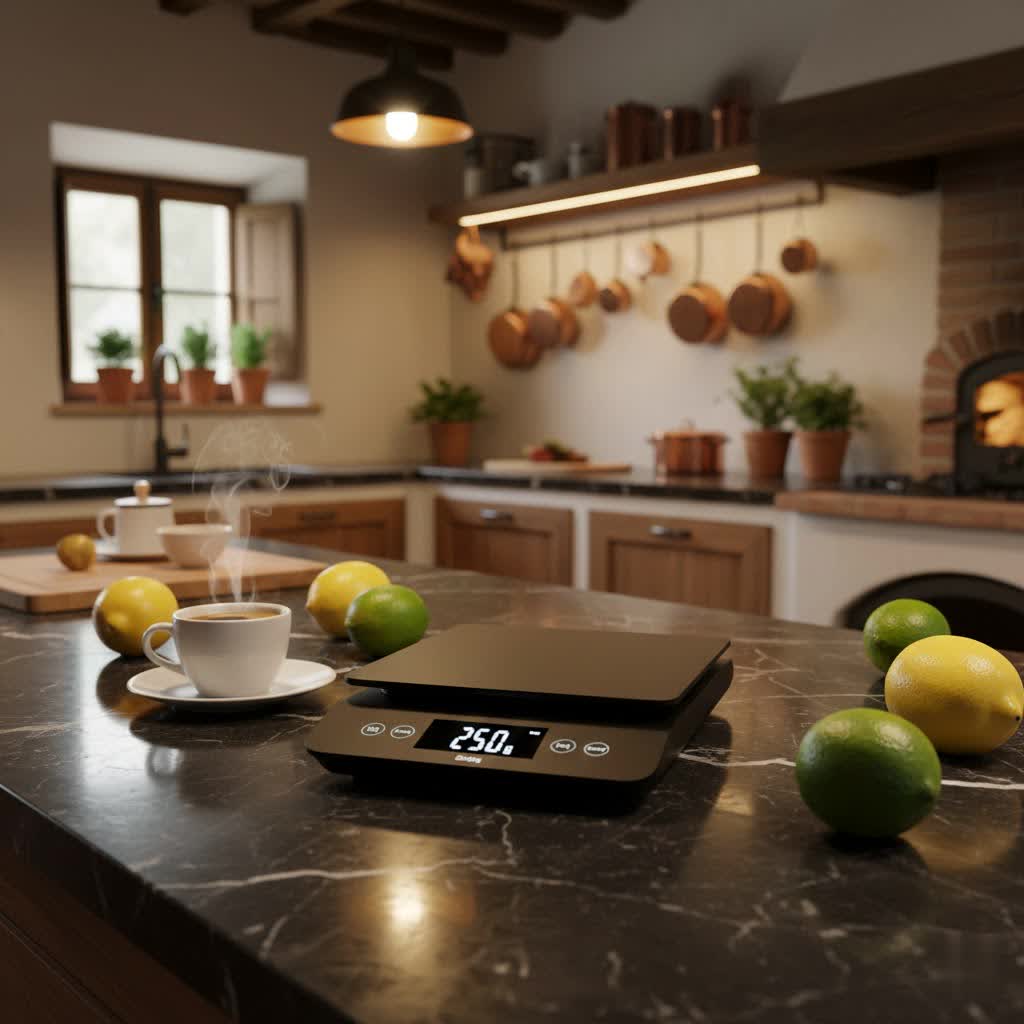
Why a Kitchen Scale is Crucial for Weight Watchers Success
Accuracy in portion control is the cornerstone of the Weight Watchers program. Each food has an assigned PersonalPoints value, and consuming even slightly more than a serving can add up quickly throughout the day. A kitchen scale eliminates the subjective nature of measuring cups and spoons, providing an exact weight that directly translates to accurate PersonalPoints tracking. This precision not only prevents accidental overconsumption but also fosters a deeper understanding of food quantities, empowering you to make consistent choices for sustainable weight management. Imagine thinking you’re having a 1-ounce serving of nuts, only to find it’s actually 1.5 ounces – those extra points can impact your daily budget. A scale removes this common pitfall, bringing clarity and control to your eating habits.
Types of Kitchen Scales for Weight Watchers
When it comes to weighing food for your WW journey, you primarily have two types of kitchen scales to consider: official Weight Watchers scales and general digital kitchen scales.
Official Weight Watchers Scales
Some scales are branded explicitly for Weight Watchers, and these often come with unique features tailored to the program. They may include a built-in database for calculating PersonalPoints or SmartPoints values directly from food items, or even a recipe builder function that tallies points as you add ingredients.
- Pros: Directly calculates points, eliminating manual look-up; often designed with the WW user experience in mind.
- Cons: Can be more expensive; the built-in database may become outdated with program changes (like the shift from SmartPoints to PersonalPoints); availability might be limited.
|
Our Picks for the Best Kitchen Scale in 2026
As an Amazon Associate I earn from qualifying purchases.
|
||
| Num | Product | Action |
|---|---|---|
| 1 | KitchenAid KQ908 Glass Surface 11 Pound Capacity Digital Kitchen and Food Scale, Black |

|
| 2 | Etekcity Digital Food Kitchen Scale, Grams and Oz for Weight Loss, Baking and Cooking, 0.05oz/1g Precise Graduation,5 Weight Units, IPX6 Waterproof, USB Rechargeable,304 Stainless Steel-Silver, 22lb |
|
| 3 | OXO Good Grips 11-Pound Stainless Steel Kitchen Scale with Pull-Out Display - Black |
|
| 4 | Digital Kitchen Food Scale 33lb-Detachable LCD Display,1g/0.1oz Precise Electronic Weight Scale for Baking, Tare/Hold/Timer Function, Glass Platform, Count Mode, Wall-Mount & Tilt Stand |
|
| 5 | Etekcity Food Kitchen Scale, Digital Grams and Ounces for Weight Loss, Baking, Cooking, Keto and Meal Prep, LCD Display, Medium, 304 Stainless Steel |
|
| 6 | Food Scale -33lb Digital Kitchen Scale for Food Ounces Grams Rechargeable 304 Stainless Steel,Batteries and Type-C Charging - Perfect for Meal Prep, Cooking, and Baking, Black |
|
| 7 | Food Scale, 11lb Digital Kitchen Scale with 6 Units LCD Display and Tare Function,Compact Design for Baking,Healthy Cooking,Meal Prep, 304 Stainless Steel |
|
| 8 | Amazon Basics Digital Kitchen Scale with LCD Display, Tare Function, Multiple Units, Weighs up to 11 Pounds, Batteries Included, Black and Stainless Steel |
|
| 9 | Mik-Nana Food Scale, 10kg/22lb Digital Kitchen Scale Weight Grams and Ounces for Baking Cooking Coffee Package Postage, 6 Units with Tare Function, LCD Display, Easy Clean Stainless Steel |
|
| 10 | Nicewell Food Scale, 22lb Digital Kitchen Scale Weight Grams and oz for Cooking Baking, 1g/0.1oz Precise Graduation, Stainless Steel and Tempered Glass (Ash Silver) |
|
General Digital Kitchen Scales
For most WW members, a high-quality general digital kitchen scale is more than sufficient and often a more versatile investment. These scales focus purely on accurate weight measurement, leaving the point calculation to the WW app or website.
- Pros: Highly accurate (often down to 1 gram increments); versatile for all cooking and baking needs beyond WW; a wider range of price points and features; generally more durable and widely available.
- Cons: Requires manual input of food weights into the WW app to determine PersonalPoints values.
Both types offer the fundamental benefit of accurate weighing, which is paramount for your success. The choice often comes down to personal preference for convenience versus versatility and cost.
Key Factors to Consider When Buying a Kitchen Scale for Weight Watchers
Choosing the right kitchen scale involves more than just picking the first one you see. Several factors can significantly impact its usefulness and your satisfaction, especially when adhering to the precise requirements of the Weight Watchers program.
- Accuracy: This is arguably the most critical factor. For precise PersonalPoints tracking, your scale should measure in small increments, ideally down to 1 gram (or 0.05 ounce). Consistent, reliable readings are essential to avoid miscalculating your food intake.
- Capacity: Most household scales offer a capacity of around 11 pounds (5 kg), which is generally sufficient for individual meal prep and weighing ingredients for most recipes. Some scales go higher, up to 22 pounds, which can be useful for larger batch cooking.
- Units of Measurement: Ensure the scale offers both metric (grams) and imperial (ounces, pounds) units. The ability to switch between these with ease is highly convenient, as recipes and nutritional information can use either. Some also include fluid ounces or milliliters, useful for liquids.
- Tare Function: This feature is indispensable. It allows you to zero out the weight of any container (bowl, plate, wrapper) placed on the scale, so you only measure the weight of the food itself. This means less dirty dishes and more efficient meal prep.
- Display: A clear, easy-to-read display is vital. Look for models with a backlit screen, especially if your kitchen lighting isn’t always bright. A pull-out display feature, like that found on some OXO models, is a significant advantage as it prevents large bowls or plates from obscuring your view.
- Ease of Cleaning: Food scales are prone to spills and crumbs. Models with smooth surfaces, such as stainless steel or glass platforms, are typically easier to wipe clean than those with many crevices. Dishwasher-safe components are a bonus, though rare.
- Durability & Build Quality: A good kitchen scale should withstand daily use. Look for robust materials and a stable design. While more affordable models can be effective, investing a little more often pays off in longevity.
- Special Features (for Official WW Scales): If opting for a dedicated Weight Watchers scale, verify its database is current with the latest PersonalPoints system. A recipe builder feature, which calculates points as you add ingredients, can be a great convenience.
- Power Source: Most digital scales are battery-powered (AA or AAA). Consider battery life and whether it has an auto-off feature to conserve power.
- Price: Kitchen scales vary widely in price. Determine your budget, but remember that a higher price doesn’t always guarantee superior performance. Many excellent, accurate scales are available in the mid-range.
By carefully considering these factors, you can select a kitchen scale that aligns perfectly with your Weight Watchers program and overall culinary needs.
Top Kitchen Scale Recommendations for Weight Watchers
While there are dedicated Weight Watchers branded scales with built-in point calculations, many general digital kitchen scales offer the precision needed for the program and often come with greater versatility. Here are some highly-rated options known for their accuracy and user-friendly features, suitable for any WW member:
Versatile Digital Kitchen Scales for Precise Portion Control
| Model | Key Features | Capacity | Units | Special Highlight |
|---|---|---|---|---|
| OXO Good Grips 11-Pound Stainless Steel Scale | Pull-out display, 1g accuracy, large platform | 11 lbs (5 kg) | g, oz, lb:oz, ml | Display pulls out to avoid being obscured by large bowls. |
| Escali Primo Digital Food Scale | User-friendly, wide color range, 1g accuracy | 11 lbs (5 kg) | g, oz, lb:oz | Simple interface, compact, reliable for everyday use. |
| Greater Goods Compact Digital Kitchen Scale | Slim profile, accurate, socially conscious brand | 11 lbs (5 kg) | g, oz, lb:oz | Extremely thin design for easy storage, contributes to charity. |
| Etekcity Digital Kitchen Scale | Budget-friendly, backlit LCD, tare function | 11 lbs (5 kg) | g, oz, lb:oz, ml | Excellent value for accuracy and essential features. |
| My Weigh KD-8000 Digital Food Scale | High capacity, baker’s percentage function | 17.6 lbs (8 kg) | g, kg, lb, lb:oz | Ideal for serious bakers and larger measurements. |
Official Weight Watchers Scales:
If you prefer a scale with integrated WW program features, look for models explicitly branded by Weight Watchers that support the current PersonalPoints system. These scales, such as the Weight Watchers PN15074 Personal Points Food Scale, offer the convenience of calculating PersonalPoints values directly for common foods and even building recipes. This can be a significant time-saver for members who want immediate point feedback without consulting the app for every ingredient. However, always verify that the scale’s database is up-to-date with the latest program rules to ensure accuracy.
Choosing among these options depends on your specific needs, budget, and preference for integrated features versus a more versatile, general-purpose scale. All listed digital scales provide the fundamental accuracy required for effective Weight Watchers tracking.
How to Effectively Use Your Kitchen Scale with Weight Watchers
Integrating a kitchen scale into your Weight Watchers routine can streamline your meal prep and enhance your accuracy in tracking PersonalPoints. Here’s how to make the most of your new tool:
Basic Weighing for Accuracy
- Direct Food Placement: For solid foods that won’t roll off (like a piece of fruit or cheese), simply place them directly on the scale platform. Ensure the scale reads “0” before placing the item.
- Using the Tare Function with Bowls: This is essential for liquids, chopped ingredients, or mixed dishes.
- Place an empty bowl or plate on the scale.
- Press the “Tare” or “Zero” button. The display should reset to “0.”
- Add your food item to the bowl. The scale will now display only the weight of the food. This allows for precise measurement without needing to subtract the container’s weight manually.
Tracking PersonalPoints with Your Scale
- For General Digital Scales:
- Weigh your food item in grams or ounces.
- Open your WW app or visit the website.
- Search for the food item and input the exact weight you measured. The app will then calculate and display the corresponding PersonalPoints value. This method ensures you’re always using the most current point values.
- For Official Weight Watchers Scales (with database):
- Weigh your food as described above.
- Use the scale’s keypad to search for the food item in its built-in database.
- The scale will then display the weight and the calculated PersonalPoints value. Some models also allow you to input nutritional information from packaged foods to calculate points.
- Utilize the recipe builder feature, if available, by weighing each ingredient one by one, adding it to the recipe, and letting the scale tally the total points for your dish.
Meal Prep and Portion Control
A kitchen scale is invaluable for meal prepping. You can pre-portion ingredients like protein, grains, or snacks for the week, ensuring each serving aligns with your PersonalPoints budget. This practice not only saves time but also reduces the temptation to overeat during busy mealtimes. For example, weighing out 4 ounces of chicken breast for each lunch serving ensures consistent tracking.
Baking and Cooking Precision
Beyond Weight Watchers, a kitchen scale dramatically improves the consistency of your baking and cooking. Measuring ingredients by weight (grams or ounces) is far more accurate than by volume (cups), especially for dry ingredients like flour. “A cup of flour” can vary wildly depending on how it’s scooped and packed, but 120 grams of flour is always 120 grams. This precision leads to more reliable and delicious culinary results.
Maintenance and Troubleshooting for Your Kitchen Scale
Proper care and occasional troubleshooting can extend the life of your kitchen scale and ensure it remains an accurate tool for your Weight Watchers journey.
Cleaning
- Regular Wiping: After each use, wipe down the scale platform with a damp cloth to remove any food residue.
- Avoid Immersion: Never immerse your digital scale in water or put it in a dishwasher, as this can damage the electronic components.
- Gentle Cleaning: For stubborn spots, a mild soap solution on a cloth can be used, followed by a dry wipe.
Storage
- Level Surface: Store your scale on a flat, level surface away from excessive heat, humidity, or extreme cold.
- Avoid Overloading: Do not leave heavy items on the scale when it’s not in use, as continuous pressure can affect its sensors.
- Locking Mechanism: If your scale has a locking mechanism for its weighing platform (often found on the underside), engage it when storing or transporting the scale to protect the delicate sensors.
Calibration
- When to Calibrate: While many modern digital scales are designed to hold calibration well, you may need to recalibrate if you notice inconsistent readings, after dropping the scale, or if you’ve replaced the batteries. For some models, calibration may be recommended every 3-6 months.
- How to Calibrate: Always refer to your scale’s user manual for specific calibration instructions, as the process varies by model. For many digital scales, it might involve placing a precise known weight (calibration weight) on the platform, or a sequence of pressing buttons after a battery change. For older mechanical scales, it typically involves turning a dial to reset the needle to zero on a flat surface.
- After Battery Replacement: For many digital scales, simply removing the old battery, waiting a few seconds, and then inserting a new battery can help reset it. For some, you may need to step on the scale (for a body scale) or place a known weight (for a food scale) for a few seconds after a new battery is inserted.
Common Issues and Quick Fixes
- Inaccurate Readings:
- Ensure the scale is on a flat, stable, and level surface.
- Check that the batteries are fresh and correctly inserted.
- Make sure nothing is touching the scale’s platform or interfering with its base.
- Try recalibrating the scale according to the manufacturer’s instructions.
- Display Issues (blank, flashing, error codes):
- Replace batteries.
- Check the battery compartment for corrosion.
- If an error code appears, consult your user manual for its meaning.
- Scale Won’t Turn On:
- Verify battery orientation and charge.
- Ensure the locking mechanism (if present) isn’t preventing operation.
By following these simple maintenance and troubleshooting tips, your kitchen scale will remain a reliable companion on your Weight Watchers journey for years to come.
Where to Buy Weight Watchers Kitchen Scales
Acquiring a reliable kitchen scale for your Weight Watchers journey is straightforward, with numerous options available both online and in physical stores.
- Online Retailers: Websites like Amazon, Target, Walmart, and other major e-commerce platforms offer a vast selection of digital kitchen scales, including many of the top-recommended general-purpose models. For official Weight Watchers branded scales, you might find them directly on the official WW shop website or through authorized retailers. Shopping online provides the convenience of comparing features, prices, and reading user reviews before making a purchase.
- Physical Retail Stores: Department stores, kitchen supply stores, and even some larger grocery stores often carry a range of kitchen scales. This allows you to see the product firsthand, assess its size, build quality, and ease of use before buying.
- Secondhand Market: Websites like eBay or local online marketplaces can sometimes offer vintage or used Weight Watchers scales, some of which may have older PointsPlus or SmartPoints databases. If considering a used scale, be sure to verify its working condition and consider if its point calculation system is compatible with the current PersonalPoints program.
Tips for Buying Online:
- Read Reviews: Pay attention to user reviews regarding accuracy, durability, and customer service.
- Check Return Policy: Ensure the retailer has a clear and fair return policy in case the scale doesn’t meet your expectations.
- Verify Features: Double-check that the scale has the essential features you need, such as tare function, multiple units of measurement, and adequate capacity.
- Current Model: If buying an official WW scale, confirm it’s a current model compatible with the PersonalPoints system to avoid outdated point calculations.
Whether you prefer the convenience of online shopping or the hands-on experience of a retail store, finding the perfect kitchen scale to support your Weight Watchers program is easily achievable.
Conclusion
In the pursuit of a healthier lifestyle with Weight Watchers, a reliable kitchen scale is more than just an accessory—it’s an indispensable tool. It empowers you with the precision needed to accurately track PersonalPoints, eliminate guesswork from your meals, and foster a deeper understanding of portion sizes. Whether you choose a dedicated Weight Watchers scale with integrated point calculations or a versatile digital kitchen scale, the benefits of exact measurement are profound, leading to greater consistency and confidence in your dietary choices. By investing in a quality scale and understanding how to use and maintain it, you’re taking a significant step towards achieving your wellness goals. What precise measurement will you conquer in your kitchen today?
Frequently Asked Questions
Do I need a special Weight Watchers scale?
No, you don’t necessarily need a special Weight Watchers branded scale. While official WW scales may offer built-in PersonalPoints calculations for convenience, any accurate digital kitchen scale that measures in grams and ounces will allow you to precisely weigh your food, which is the most critical aspect for tracking points in the WW app or website.
How often should I calibrate my kitchen scale?
Most modern digital kitchen scales are quite robust and hold their calibration well. However, it’s a good practice to check your scale’s manual for specific recommendations. Generally, calibrating every 3-6 months, or if you notice inconsistent readings, after replacing batteries, or if the scale has been dropped, can help maintain its accuracy.
Can I use any digital kitchen scale for Weight Watchers?
Yes, any accurate digital kitchen scale that can weigh in grams and ounces is suitable for the Weight Watchers program. The key is precise measurement, which allows you to accurately input food weights into the WW app to determine their PersonalPoints values. Look for features like a tare function and clear display for optimal usability.
What is the tare function used for?
The tare function is a crucial feature on kitchen scales that allows you to zero out the weight of any container (like a bowl or plate) placed on the platform. This means that when you add food to the container, the scale will only display the weight of the food itself, making it much easier and cleaner to measure ingredients directly into your serving dishes.
