Are your recipes consistently falling flat, or do your baked goods never quite hit that perfect texture? The secret often lies in precision, and that’s where a kitchen scale becomes an indispensable tool. Moving beyond guesswork and volume measurements, a kitchen scale offers accuracy that can transform your culinary results, ensuring every dish is a triumph. Whether you’re a seasoned baker, a meticulous meal prepper, or simply looking to elevate your everyday cooking, understanding the power of a kitchen scale can revolutionize your time in the kitchen.
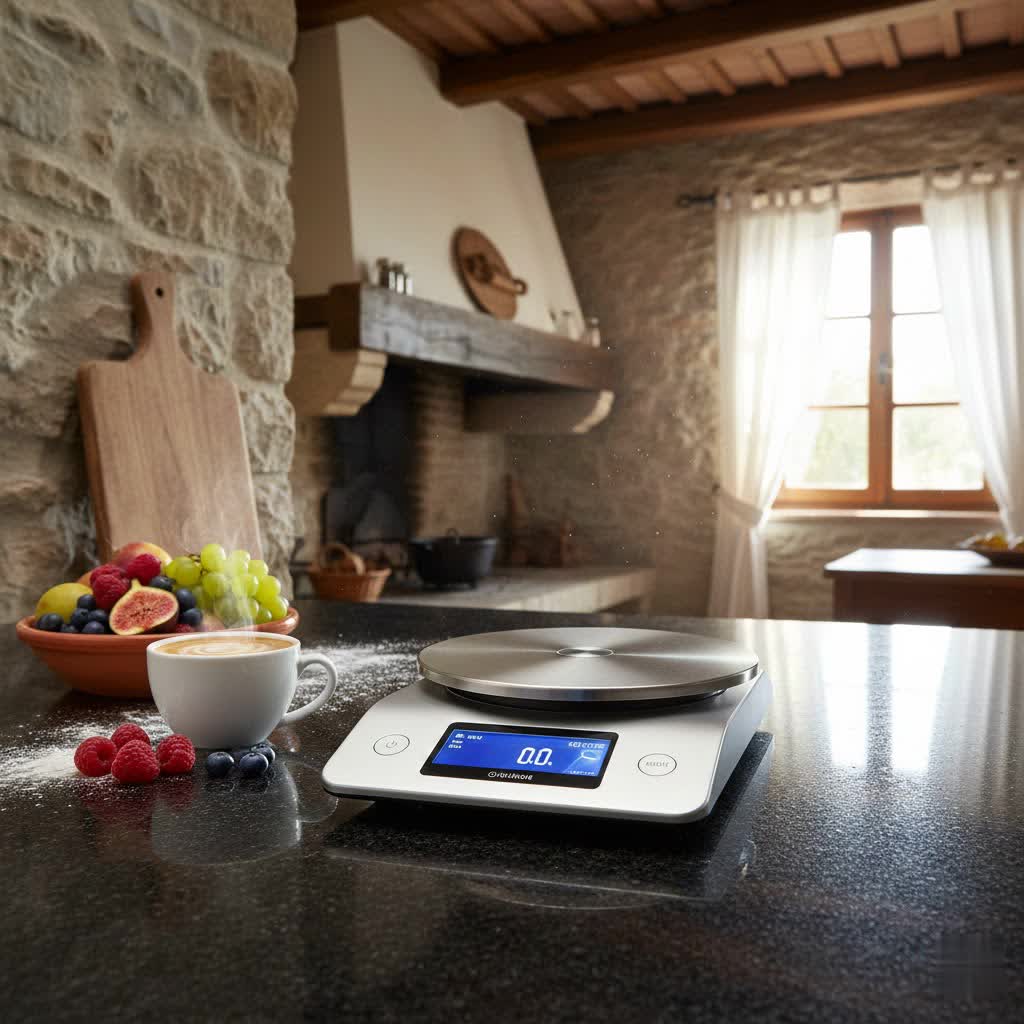
Why You Need a Kitchen Scale
In the culinary world, accuracy isn’t just a recommendation; it’s often the cornerstone of success. A kitchen scale provides exact measurements, which is fundamentally more precise than relying on volume. Cups and spoons can vary in how much they hold based on packing density, ingredient type, and even how level you sweep them. By contrast, a gram is always a gram, ensuring consistency and reliability in your recipes. This meticulous approach is particularly vital in baking, where slight deviations in flour or sugar can significantly alter the outcome.
The benefits extend beyond mere accuracy. A kitchen scale empowers better portion control, which is crucial for dietary management and healthier eating habits. It can also save you time and reduce waste by providing precisely the amount of ingredient needed, preventing over-measurement. From weighing small quantities of expensive spices to portioning proteins for meal prep, a kitchen scale offers a level of control and confidence that estimation simply cannot match. Professional chefs universally rely on scales for these very reasons, underscoring their importance in achieving consistent, high-quality results.
Common Types of Kitchen Scales
The market offers a variety of kitchen scales, each with unique characteristics suited for different culinary preferences and needs. The two most prevalent types are digital and mechanical, though specialized options also exist.
Digital Kitchen Scales
Digital kitchen scales are the most popular choice for modern kitchens, renowned for their accuracy and user-friendliness. These scales employ internal sensors to provide precise weight readings, often down to a fraction of a gram or a hundredth of an ounce. Their clear, often backlit, LCD displays make readings easy to interpret, even when weighing large bowls.
- Advantages:
- High Precision: Ideal for baking and recipes demanding exact measurements.
- Easy to Read: Digital display offers quick and unambiguous readings.
- Tare Function: Allows you to zero out the weight of a container or previous ingredients, making it easy to measure multiple items in one bowl.
- Multiple Units: Typically offers measurements in grams, ounces, pounds, and sometimes milliliters or fluid ounces, providing versatility.
- Compact Designs: Many digital scales are slim and lightweight, allowing for easy storage.
- Disadvantages:
- Battery Dependent: Requires batteries, which need replacement, though some models are rechargeable.
- Capacity Limits: While common home models often handle up to 5 kg (11 lbs), some high-capacity digital scales can go up to 10 kg (22 lbs).
- Durability: Can be more fragile than mechanical scales if dropped or mishandled.
|
Our Picks for the Best Kitchen Scale in 2026
As an Amazon Associate I earn from qualifying purchases.
|
||
| Num | Product | Action |
|---|---|---|
| 1 | Mik-Nana Food Scale, 10kg/22lb Digital Kitchen Scale Weight Grams and Ounces for Baking Cooking Coffee Package Postage, 6 Units with Tare Function, LCD Display, Easy Clean Stainless Steel |

|
| 2 | OXO Good Grips 11-Pound Stainless Steel Kitchen Scale with Pull-Out Display - Black |
|
| 3 | Etekcity Digital Food Kitchen Scale, Grams and Oz for Weight Loss, Baking and Cooking, 0.05oz/1g Precise Graduation,5 Weight Units, IPX6 Waterproof, USB Rechargeable,304 Stainless Steel-Silver, 22lb |
|
| 4 | Etekcity Food Kitchen Scale, Digital Grams and Ounces for Weight Loss, Baking, Cooking, Keto and Meal Prep, LCD Display, Medium, 304 Stainless Steel |
|
| 5 | Nicewell Food Scale, 22lb Digital Kitchen Scale Weight Grams and oz for Cooking Baking, 1g/0.1oz Precise Graduation, Stainless Steel and Tempered Glass (Ash Silver) |
|
| 6 | Amazon Basics Digital Kitchen Scale with LCD Display, Tare Function, Multiple Units, Weighs up to 11 Pounds, Batteries Included, Black and Stainless Steel |
|
| 7 | Digital Kitchen Food Scale 33lb-Detachable LCD Display,1g/0.1oz Precise Electronic Weight Scale for Baking, Tare/Hold/Timer Function, Glass Platform, Count Mode, Wall-Mount & Tilt Stand |
|
| 8 | Food Scale, 11lb Digital Kitchen Scale with 6 Units LCD Display and Tare Function,Compact Design for Baking,Healthy Cooking,Meal Prep, 304 Stainless Steel |
|
| 9 | KitchenAid KQ908 Glass Surface 11 Pound Capacity Digital Kitchen and Food Scale, Black |
|
| 10 | Food Scale -33lb Digital Kitchen Scale for Food Ounces Grams Rechargeable 304 Stainless Steel,Batteries and Type-C Charging - Perfect for Meal Prep, Cooking, and Baking, Black |
|
Mechanical Kitchen Scales
Mechanical kitchen scales, also known as analog or spring scales, represent a more traditional approach to weighing ingredients. They operate without batteries, relying on a spring mechanism that responds to the weight placed on the platform, indicating the measurement via a dial.
- Advantages:
- Durability: Generally more robust and less susceptible to electronic failures or water damage.
- No Batteries Required: A sustainable choice that’s always ready to use.
- Simple Operation: Straightforward to use with no complex features.
- Often Higher Capacity: Some mechanical scales are designed for larger volumes, though modern digital scales are catching up.
- Disadvantages:
- Lower Precision: Typically less accurate than digital scales, especially for very small measurements (e.g., less than 10 grams).
- Harder to Read: The dial can be less precise and harder to read at a glance, especially when dealing with fine increments.
- Spring Wear: Over time, the internal springs can wear out, diminishing accuracy.
- Bulky: Often larger and heavier than digital counterparts, requiring more storage space.
Other Specialized Scales
While less common for general home use, other types exist:
- Smart Kitchen Scales: These digital scales often connect to smartphone apps via Bluetooth, offering features like nutritional tracking, recipe integration, and custom ingredient lists.
- Hanging Scales: Primarily used for irregularly shaped or very large items that wouldn’t fit on a countertop scale, such as large cuts of meat or produce.
- Precision/Pocket Scales: Designed for extremely small, highly accurate measurements (e.g., coffee beans, spices down to 0.1 gram or less), typically with lower maximum capacities.
Factors to Consider When Buying a Kitchen Scale
Choosing the right kitchen scale depends heavily on your specific needs and cooking habits. Here are the key factors to evaluate before making your purchase:
- Accuracy: How precise do you need your measurements to be? For serious baking or portion control where even a gram makes a difference, a digital scale with high precision (e.g., 0.1g increments) is crucial. For general cooking, a digital scale with 1-gram increments is usually sufficient. Mechanical scales offer less precision, suitable for less critical measurements.
- Capacity: Consider the maximum weight you’ll typically measure. Most home cooks find a scale with a capacity of 5 kg (11 lbs) to be adequate. If you frequently bake large batches, preserve, or cook for big gatherings, a high-capacity model (up to 10-22 kg or 22-44 lbs) might be more suitable. Pocket scales, conversely, have much lower capacities but higher precision for tiny amounts.
- Units of Measurement: Ensure the scale offers the units you commonly use. Standard options include grams (g), ounces (oz), and pounds (lb). Some digital scales also measure in milliliters (ml) or fluid ounces (fl oz) for liquids, though these are typically volumetric conversions and less precise than weighing liquids by mass. Dual metric and imperial units are highly recommended for versatility.
- Additional Features:
- Tare Function: Absolutely essential for most users, allowing you to zero out the weight of a container or add multiple ingredients sequentially without re-calculating.
- Auto-Off Function: Helps conserve battery life by turning the scale off after a period of inactivity.
- Hold Function: Freezes the display, useful when a large bowl might obstruct the view of the screen.
- Pull-Out Display: Some models feature a display that pulls away from the platform, making it visible even with oversized bowls.
- Removable Platform/Bowl: Facilitates easier cleaning, especially if working with messy ingredients.
- Material: The construction material impacts durability, aesthetics, and ease of cleaning.
- Stainless Steel: Durable, hygienic, easy to clean, and provides a sleek look. However, it can show fingerprints.
- Glass: Offers a modern aesthetic and is very easy to wipe clean, but can be more fragile.
- Plastic: Lightweight and often budget-friendly, but can stain, scratch, and may not be as durable as metal.
- Design and Size: Consider where you’ll store the scale and if it will live on your countertop. Compact, flat designs are great for small kitchens or drawer storage. Larger, more aesthetically pleasing models might be suitable if you intend to display them.
- Price: Kitchen scales are available across a wide price spectrum. Basic digital scales can be very affordable, while feature-rich or high-design models will naturally cost more. Determine your budget, but prioritize essential features like accuracy and a tare function over unnecessary bells and whistles.
Comparing Popular Kitchen Scale Features
When comparing different kitchen scales, look beyond just the brand name to the core features that impact performance and usability. While a detailed product comparison table is beyond the scope here, understanding common attributes of top-performing scales can guide your decision.
Many highly-rated digital scales, such as models from Etekcity or OXO, often boast precision to 1 gram (0.05 oz) and a tare function as standard. Scales like the OXO Good Grips 11-lb Stainless Steel Food Scale are celebrated for their pull-out display, which prevents large mixing bowls from obscuring the weight reading. High-capacity scales, like the Nicewell 22-lb Digital Kitchen Scale, cater to those needing to weigh larger batches, offering ample surface area.
Budget-friendly options, such as the Amazon Basics Digital Kitchen Scale, provide excellent value for basic, accurate weighing, often lacking advanced features but performing reliably for general tasks. For those seeking durability without batteries, mechanical scales like the Taylor Mechanical Scale offer a classic design and robust build, though with less granular precision.
Some scales prioritize specific applications; for instance, serious coffee enthusiasts might opt for dedicated coffee scales that offer even finer precision (down to 0.1g or 0.01g) and integrated timers, features not typically found on general kitchen scales. The key is to match the scale’s features and performance to your most frequent culinary activities.
How to Use and Maintain Your Kitchen Scale
Using a kitchen scale effectively is straightforward, but proper technique ensures accuracy and longevity.
Correct Usage for Accuracy
- Place on a Flat, Stable Surface: Always ensure your scale is on a level, solid countertop. Uneven surfaces can lead to inaccurate readings.
- Power On and Zero Out: Turn on the scale. If using a digital scale, wait for it to stabilize at zero.
- Use the Tare Function: If using a container, place it on the scale before turning it on or press the “tare” (or “zero”) button to reset the display to zero. This removes the weight of the container, so you only measure your ingredients.
- Add Ingredients Slowly: Especially for small amounts, add ingredients gradually. This allows the scale’s sensors to register the changes accurately.
- Read the Display Clearly: Ensure your view of the display isn’t obstructed by large bowls. This is where features like a pull-out or elevated display are beneficial.
- Switch Units as Needed: Most digital scales have a “unit” button to cycle through grams, ounces, pounds, etc.
Maintenance Tips for Longevity
- Clean Regularly: Wipe the scale with a damp cloth after each use. For stainless steel platforms, a gentle wipe is usually sufficient. Avoid submerging electronic scales in water. If the platform is removable, clean it separately.
- Avoid Overloading: Do not exceed the maximum capacity of your scale, as this can damage the sensors or internal mechanisms.
- Store Properly: Store your scale in a clean, dry place where it won’t be exposed to extreme temperatures or humidity. Many compact digital scales fit easily into drawers.
- Replace Batteries: For digital scales, replace batteries when the low-battery indicator appears to ensure consistent performance. Remove batteries if storing the scale for extended periods to prevent corrosion.
- Handle with Care: Avoid dropping or jarring the scale, as this can affect its calibration and accuracy.
Where to Buy a Kitchen Scale
Finding the perfect kitchen scale is easier than ever with a multitude of purchasing options.
Popular Retail Channels
- Appliance Stores: Brick-and-mortar appliance stores or kitchenware specialty shops allow you to physically examine scales, test their feel, and ask sales associates questions.
- Supermarkets/Department Stores: Many larger supermarkets or department stores carry a selection of basic to mid-range kitchen scales, offering convenience for everyday shoppers.
- E-commerce Websites: Online retailers are a vast source, offering the widest selection, competitive pricing, and user reviews. Major platforms provide detailed product descriptions and comparison tools.
Tips for Online Shopping
- Read User Reviews: Pay attention to feedback regarding accuracy, durability, and ease of use. Look for patterns in positive and negative comments.
- Check Specifications Carefully: Verify capacity, units, and specific features (tare, auto-off, display type).
- Examine Return Policies: Understand the retailer’s return policy in case the scale doesn’t meet your expectations.
- Compare Prices: Use price comparison tools to ensure you’re getting a good deal.
How to Inspect Before Purchase
If buying in person, take a moment to:
- Test Stability: Press down gently on the platform to check for wobbling.
- Check Display: Ensure the display is clear and easy to read.
- Assess Build Quality: Feel the materials and overall construction for sturdiness.
- Verify Tare Function: If possible, place a light object (like your hand) on it and press tare to see if it resets to zero.
Conclusion
A kitchen scale is far more than a gadget; it’s a fundamental tool that brings precision, consistency, and control to your cooking and baking. From the accurate digital scales perfect for intricate recipes to the durable mechanical options for robust daily use, choosing the right kitchen scale can significantly elevate your culinary journey. By considering factors like accuracy, capacity, features, and material, you can find a model that perfectly suits your kitchen and your cooking style. Investing in a quality kitchen scale is a small step that yields immense rewards, transforming your confidence and the deliciousness of your creations. So, are you ready to unlock the secret to perfectly measured meals and master your kitchen with precision?
Frequently Asked Questions
Are digital kitchen scales more accurate than mechanical ones?
Yes, digital kitchen scales are generally more accurate than mechanical scales, often measuring down to fractions of a gram. This precision is critical for tasks like baking and portion control where exact ingredient amounts are essential for consistent results.
What is the tare function on a kitchen scale?
The tare function allows you to reset the scale to zero after placing a container on it, or after adding an ingredient. This lets you measure subsequent ingredients without including the weight of the container or previously added items, simplifying multi-ingredient recipes.
What capacity do I need for a home kitchen scale?
For most home cooks, a kitchen scale with a capacity of 5 kg (about 11 pounds) is sufficient. However, if you frequently bake large batches or prepare meals for many people, a higher capacity scale of 10 kg (22 pounds) or more might be beneficial.
Can I use a regular kitchen scale to weigh small amounts like spices?
While many general kitchen scales can measure small amounts, they may struggle with extreme precision for quantities under 10 grams. For very small, highly accurate measurements (e.g., a few grams of yeast or spice), a specialized precision or pocket scale with finer increments is often more suitable.
How do I clean my kitchen scale?
Most kitchen scales should be cleaned by wiping them with a damp cloth and mild soap. Avoid submerging electronic scales in water. Scales with removable stainless steel or glass platforms are generally the easiest to clean thoroughly.
