Are you tired of inconsistent baking results or struggling with portion control? The secret to culinary precision often lies in one indispensable kitchen gadget: the digital kitchen food scale. Whether you’re a seasoned chef, an enthusiastic home baker, or someone meticulously tracking their nutrition, a reliable digital scale can transform your cooking experience, ensuring accuracy, consistency, and efficiency in every dish.
Why a Digital Kitchen Scale is Essential for Your Cooking
In modern kitchens, precision is paramount. While measuring cups and spoons have their place, they often fall short in providing the exact measurements critical for many recipes, especially in baking where ingredient ratios are crucial. Digital kitchen scales eliminate this guesswork, offering unparalleled accuracy by measuring ingredients by weight rather than volume.
The benefits extend far beyond just precise measurements. Using a digital food scale simplifies portion control, helping you manage calorie and macronutrient intake for a healthier lifestyle or specific dietary needs. It also significantly reduces food waste by ensuring you use only the exact amount required, saving both food and money. Furthermore, the tare function allows you to weigh multiple ingredients in a single bowl, streamlining your workflow and minimizing cleanup. With a digital scale, you can confidently tackle complex recipes, achieve consistent results, and elevate your culinary skills to a new level.
Understanding Different Types of Kitchen Scales
While our focus is on digital kitchen food scales, it’s helpful to understand the primary types available to appreciate why digital models are often preferred.
Digital Kitchen Scales
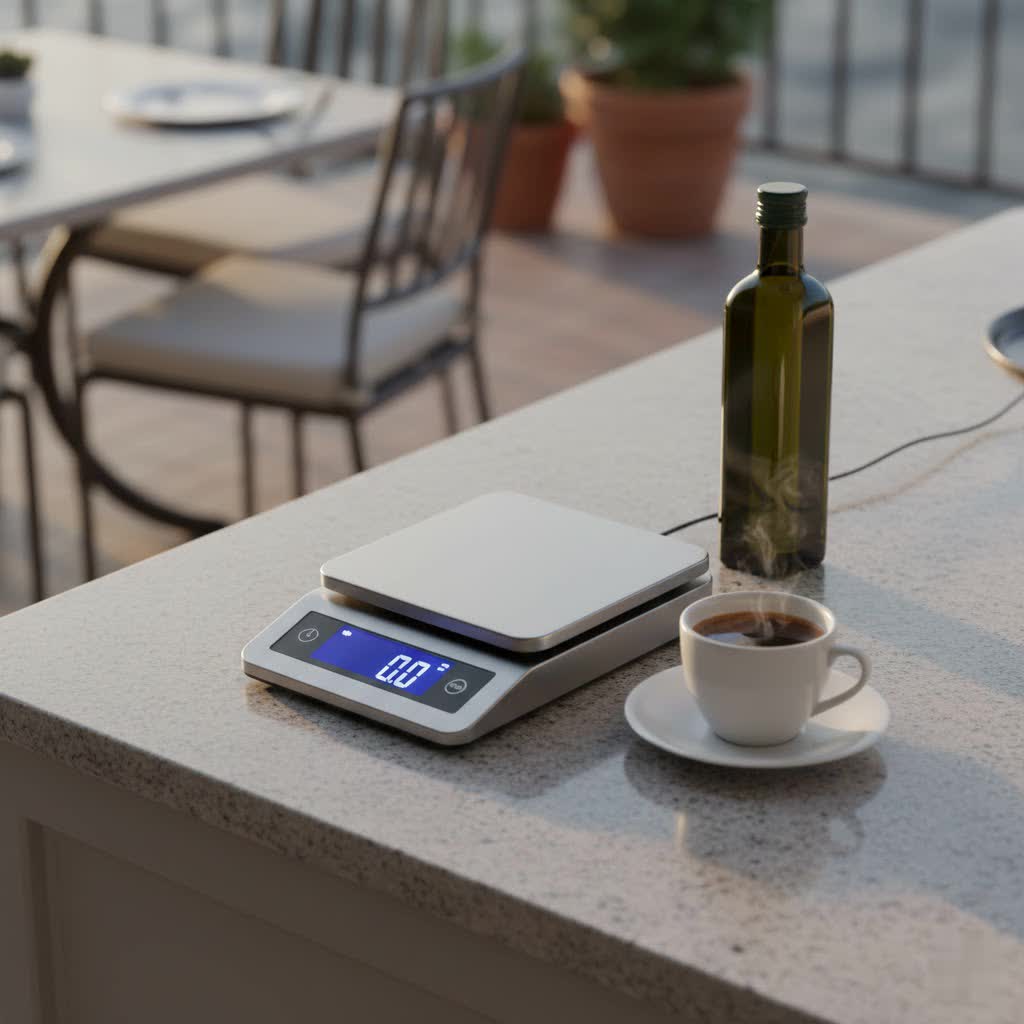
These are the most popular and recommended for their superior accuracy and modern features. Digital scales use electronic sensors to provide precise weight readings, typically displayed on an LCD screen. They are invaluable for tasks requiring exact measurements, such as baking, making sourdough, or portioning for dietary tracking.
- Advantages: Exceptional accuracy (often down to 0.1g or 1g increments), easy-to-read digital displays (sometimes backlit or with pull-out screens), multiple unit conversions (grams, ounces, pounds, milliliters), convenient tare function, often compact and aesthetically pleasing. Some advanced models offer nutritional tracking or app connectivity.
- Disadvantages: Require batteries or a power source, can be more fragile than mechanical models, and sensitive to moisture or spills. Electronic components may degrade over time.
|
Our Picks for the Best Kitchen Scale in 2026
As an Amazon Associate I earn from qualifying purchases.
|
||
| Num | Product | Action |
|---|---|---|
| 1 | Digital Kitchen Food Scale 33lb-Detachable LCD Display,1g/0.1oz Precise Electronic Weight Scale for Baking, Tare/Hold/Timer Function, Glass Platform, Count Mode, Wall-Mount & Tilt Stand |

|
| 2 | Mik-Nana Food Scale, 10kg/22lb Digital Kitchen Scale Weight Grams and Ounces for Baking Cooking Coffee Package Postage, 6 Units with Tare Function, LCD Display, Easy Clean Stainless Steel |
|
| 3 | KitchenAid KQ908 Glass Surface 11 Pound Capacity Digital Kitchen and Food Scale, Black |
|
| 4 | OXO Good Grips 11-Pound Stainless Steel Kitchen Scale with Pull-Out Display - Black |
|
| 5 | Etekcity Digital Food Kitchen Scale, Grams and Oz for Weight Loss, Baking and Cooking, 0.05oz/1g Precise Graduation,5 Weight Units, IPX6 Waterproof, USB Rechargeable,304 Stainless Steel-Silver, 22lb |
|
| 6 | Food Scale -33lb Digital Kitchen Scale for Food Ounces Grams Rechargeable 304 Stainless Steel,Batteries and Type-C Charging - Perfect for Meal Prep, Cooking, and Baking, Black |
|
| 7 | Amazon Basics Digital Kitchen Scale with LCD Display, Tare Function, Multiple Units, Weighs up to 11 Pounds, Batteries Included, Black and Stainless Steel |
|
| 8 | Etekcity Food Kitchen Scale, Digital Grams and Ounces for Weight Loss, Baking, Cooking, Keto and Meal Prep, LCD Display, Medium, 304 Stainless Steel |
|
| 9 | Food Scale, 11lb Digital Kitchen Scale with 6 Units LCD Display and Tare Function,Compact Design for Baking,Healthy Cooking,Meal Prep, 304 Stainless Steel |
|
| 10 | Nicewell Food Scale, 22lb Digital Kitchen Scale Weight Grams and oz for Cooking Baking, 1g/0.1oz Precise Graduation, Stainless Steel and Tempered Glass (Ash Silver) |
|
Mechanical (Analog) Kitchen Scales
These traditional scales operate using a spring mechanism, displaying weight on a dial. They are simpler and don’t require batteries.
- Advantages: Durable, robust, no power source needed, generally more affordable.
- Disadvantages: Less precise (typically measure in larger increments like 5g), can be bulkier, accuracy may decrease over time as the spring wears, and lack advanced features like tare or unit conversion.
Other Specialized Scales
Some commercial kitchens use hanging scales for bulk items, while niche products like nutrition scales integrate databases to provide caloric and macronutrient information alongside weight, catering to highly health-conscious users.
Key Factors to Consider When Buying a Digital Kitchen Scale
Choosing the right digital kitchen scale involves evaluating several features to match your specific cooking and lifestyle needs.
Accuracy
This is arguably the most crucial factor. Most high-quality digital scales offer accuracy to 1 gram (0.05 ounces), which is sufficient for general cooking and baking. For highly precise tasks like brewing coffee, measuring yeast for sourdough, or delicate pastry work, look for models with 0.1-gram increments. Consistency across the weighing platform is also important, ensuring accurate readings regardless of where the item is placed.
Capacity (Load)
Consider the maximum weight you’ll typically need to measure. Most home digital scales have a capacity of 5 kg (11 lbs), which is ample for everyday cooking and baking. If you frequently prepare large batches, process bulk ingredients, or engage in heavy-duty meal prepping, a scale with a higher capacity (e.g., 10 kg or 22 lbs) might be more suitable.
Units of Measurement
A versatile digital scale should offer multiple units, allowing you to switch easily between grams (g), ounces (oz), pounds (lb), and milliliters (ml) with a dedicated “unit” or “mode” button. This feature is especially convenient for international recipes that might use different measurement systems.
Essential Features
Several additional features can significantly enhance the usability and convenience of your digital scale:
- Tare Function: Absolutely essential. This allows you to zero out the weight of a container or subtract the weight of previously added ingredients, enabling you to measure multiple items in the same bowl without complex calculations.
- Display: Look for a large, clear, and brightly backlit LCD display with high contrast and big digits for easy readability. A pull-out or angled display is highly advantageous, preventing large bowls or platters from obscuring the screen.
- Auto Shut-Off: A power-saving feature that turns off the scale after a period of inactivity. Some models offer adjustable auto shut-off times or a “hold” feature to keep the weight on display longer.
- Ease of Cleaning: Scales with flat, seamless surfaces, removable platforms, or sealed control panels are much easier to wipe clean and prevent food particles or liquids from getting trapped in crevices. Stainless steel or glass platforms are often preferred for hygiene and durability.
- Physical Buttons: While touch controls can look sleek, physical push buttons that offer a tactile click are often more reliable and easier to operate, especially with wet or flour-dusted hands.
- Material and Design: Stainless steel, tempered glass, or durable plastic are common materials. Stainless steel and glass offer hygiene and a modern aesthetic, while durable plastic can be more robust. Consider the scale’s footprint and how it will fit into your kitchen counter space and storage.
Price
Digital kitchen scales are available across a wide price range. Basic, reliable models can be very affordable, while high-end scales with advanced features like app connectivity, nutritional databases, or dual platforms will command a higher price. Determine your budget and prioritize the features most important to you.
Top-Rated Digital Kitchen Scale Models
Based on accuracy, features, and user reviews, several brands consistently stand out in the digital kitchen scale market.
| Model | Key Features | Ideal For | Pros | Cons |
|---|---|---|---|---|
| OXO Good Grips Stainless Steel Food Scale | Pull-out display, 11lb capacity, removable stainless steel platform | Bakers, large batch cooking, everyday use | Excellent visibility, easy to clean, precise | Can be pricier, some crevices for food |
| Escali Primo Digital Scale | Simple two-button interface, 11lb capacity, sealed controls, multiple colors | Everyday cooking, durability, ease of use | User-friendly, highly durable, spill-proof, consistent accuracy | May not have 0.1g precision, basic features only |
| Etekcity Digital Kitchen Scale | Slim design, various units, tare function, often budget-friendly | Budget-conscious, basic meal prep, small kitchens | Affordable, compact, good accuracy for the price | Display can be small, auto shut-off can be aggressive |
| KitchenAid Dual Platform Scale | Two platforms (small for precision, large for bulk), offset display | Serious bakers, detailed cooking, diverse needs | High precision on small platform, excellent for large bowls | Larger footprint, more expensive |
| Greater Goods Digital Kitchen Food Scale | High capacity (often 22lb), precise, modern design | Batch cooking, health tracking, design-conscious | Large capacity, reliable accuracy, aesthetically pleasing | Can be slower to respond, some models lack backlight |
- OXO Good Grips Stainless Steel Food Scale with Pull-Out Display: Often praised for its ingenious pull-out display that prevents large bowls from obstructing the view, making it a favorite among bakers.
- Escali Primo Digital Scale: Known for its robust build, simplicity, and consistent accuracy, often considered an industry standard for home use. Its sealed control panel is a huge plus for spills.
- Etekcity Digital Kitchen Scale: A popular budget-friendly option, offering reliable performance for its price point and a compact design.
How to Use and Maintain Your Digital Kitchen Scale
Getting the most out of your digital kitchen scale requires proper usage and a bit of care.
How to Use Your Scale Correctly
- Placement: Always place your scale on a flat, stable, and level surface. Uneven surfaces can lead to inaccurate readings.
- Power On: Turn on the scale and wait for the display to show “0” before placing any items on it.
- Select Units: Use the “mode” or “unit” button to select your desired unit of measurement (e.g., grams, ounces).
- Tare Function (Zero Out): If using a bowl or container, place it on the scale first. Then, press the “tare” or “zero” button. The display will reset to “0,” effectively subtracting the container’s weight.
- Add Ingredients: Slowly add your ingredients to the container. The display will show the net weight of the food. Stop when you reach the desired amount.
- Multiple Ingredients: For adding multiple ingredients to the same bowl, simply press the “tare” button again after each ingredient to reset the scale to zero before adding the next one. This “add and weigh” feature is a major time-saver.
- Remove Items: Once done, remove the container and turn off the scale.
Tips for Maintenance and Longevity
- Clean Regularly: Wipe down the scale after each use with a soft, damp cloth to remove food debris and spills. Avoid harsh chemicals or abrasive cleaners. For waterproof models, gentle rinsing is often possible, but always check the manufacturer’s instructions.
- Avoid Submersion: Unless explicitly stated as fully waterproof, never submerge your digital scale in water, as this can damage the electronic components.
- Protect from Extremes: Keep your scale away from extreme temperatures, excessive moisture, and direct sunlight, which can affect its accuracy and lifespan.
- Proper Storage: Store your scale flat in a cool, dry place. Avoid placing heavy objects on it, even when stored, as this can strain the sensors. Remove batteries if the scale will be unused for an extended period to prevent leakage.
- Calibration: While many digital scales are factory-calibrated, some high-precision models may allow or require occasional user calibration. Refer to your owner’s manual for specific instructions, often involving a known weight reference.
Where to Buy Your Digital Kitchen Scale
Finding the perfect digital kitchen scale is easier than ever with numerous retail options both online and in physical stores.
Online Retailers
Major online marketplaces offer the widest selection, competitive pricing, and the convenience of home delivery.
- Amazon: Features a vast array of brands and models, from budget-friendly options to professional-grade scales, with extensive customer reviews.
- Walmart, Target, Best Buy: These big-box retailers also have robust online presences with a good selection of digital kitchen scales, often including their own store brands.
Kitchen Supply Stores
If you prefer to see and feel the product before purchasing, specialized kitchen stores provide a curated selection and expert advice.
- Williams Sonoma, Sur La Table, Crate & Barrel: These stores typically carry higher-end models from reputable brands and offer a more personalized shopping experience.
- Local Appliance Stores: Smaller, independent stores might also offer a selection and can provide tailored recommendations.
Tips for Online Shopping
- Read Reviews: Pay close attention to customer reviews regarding accuracy, durability, and ease of use.
- Check Specifications: Confirm the capacity, unit options, and any specific features you need.
- Warranty and Returns: Verify the manufacturer’s warranty and the retailer’s return policy.
Buying Guide: Steps to Select Your Ideal Digital Kitchen Scale
Follow these steps to ensure you pick the best digital kitchen scale for your needs:
- Define Your Needs: Are you baking delicate pastries, tracking macros, or just needing general kitchen measurements? This will help determine the required accuracy and features.
- Set Your Budget: Digital scales range from under $15 to over $70. Knowing your spending limit helps narrow down options.
- Prioritize Features:
- Must-Haves: Tare function, multiple units (g/oz/lb).
- Nice-to-Haves: Backlit/pull-out display, high capacity, waterproof design, specific material (e.g., stainless steel).
- Research Brands and Models: Look into reputable brands like OXO, Escali, and Etekcity, and read reviews for specific models.
- Compare Products: Use the comparison table provided above and product specifications to weigh pros and cons.
- Check Warranty & Support: A good warranty indicates manufacturer confidence and provides peace of mind.
- Consider Purchase Location: Decide whether online convenience or in-store experience is more important for you.
Conclusion
A digital kitchen food scale is more than just a gadget; it’s a cornerstone for culinary success, offering precision, consistency, and unparalleled convenience. From perfecting complex recipes to managing dietary goals, its ability to provide exact measurements transforms cooking and baking from an art to a precise science. By considering factors like accuracy, capacity, and essential features, you can select the perfect scale to elevate your kitchen endeavors. Embrace the power of precise measurement, and discover the joy of consistently delicious results.
What culinary creations are you excited to perfect with the help of your new digital kitchen scale?
Frequently Asked Questions
What is the primary advantage of a digital scale over a mechanical scale?
The primary advantage of a digital scale is its superior accuracy, often measuring in precise increments like 0.1 or 1 gram. This level of precision is crucial for baking and dietary tracking, where exact ingredient amounts significantly impact outcomes. Digital scales also offer features like tare functions and multiple unit conversions, which mechanical scales lack.
Is a digital kitchen scale necessary for baking?
Yes, a digital kitchen scale is highly recommended for baking. Baking relies on precise ratios and chemical reactions, and even slight inaccuracies in ingredient measurements can drastically alter the texture and flavor of your baked goods. Measuring by weight with a digital scale ensures consistent and reliable results every time.
How do I clean my digital kitchen scale?
Most digital kitchen scales can be cleaned by wiping the surface with a soft, damp cloth after each use. Avoid submerging them in water unless the manufacturer specifically states they are waterproof. For scales with removable platforms, you can wash the platform separately. Always ensure the scale is dry before storing it.
What does the “tare” function do on a digital scale?
The “tare” function allows you to reset the scale to zero after placing a container on it or after adding an ingredient. This means you only measure the net weight of the new ingredient, not the container or previous ingredients. It’s incredibly useful for measuring multiple ingredients into one bowl, simplifying the cooking process and reducing cleanup.
How often should I calibrate my digital kitchen scale?
Most consumer-grade digital kitchen scales come pre-calibrated and generally do not require frequent user calibration. However, if you notice inconsistencies or for very high-precision tasks, checking your owner’s manual for calibration instructions is a good idea. Some recommend calibrating if the scale has been dropped or moved frequently.
