In the heart of every great kitchen lies a secret to culinary success: precision. While many gravitate towards the sleek, feature-rich digital scales of today, the classic analog kitchen scale holds a timeless appeal, offering simplicity, reliability, and a touch of vintage charm. For those who appreciate straightforward functionality and a battery-free existence, understanding the nuances of analog scales is key to mastering your cooking and baking.
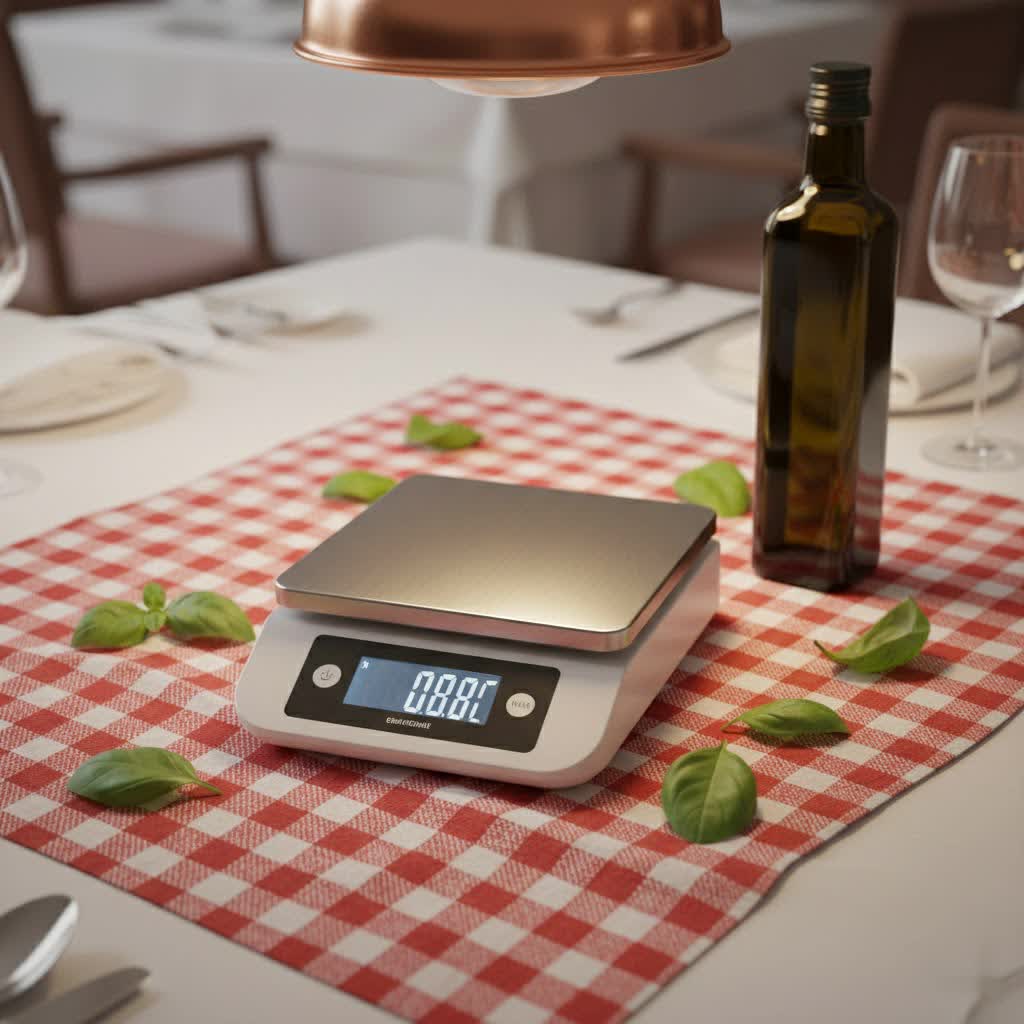
Why You Need a Kitchen Scale
|
Our Picks for the Best Kitchen Scale in 2026
As an Amazon Associate I earn from qualifying purchases.
|
||
| Num | Product | Action |
|---|---|---|
| 1 | Nicewell Food Scale, 22lb Digital Kitchen Scale Weight Grams and oz for Cooking Baking, 1g/0.1oz Precise Graduation, Stainless Steel and Tempered Glass (Ash Silver) |

|
| 2 | Etekcity Digital Food Kitchen Scale, Grams and Oz for Weight Loss, Baking and Cooking, 0.05oz/1g Precise Graduation,5 Weight Units, IPX6 Waterproof, USB Rechargeable,304 Stainless Steel-Silver, 22lb |
|
| 3 | Digital Kitchen Food Scale 33lb-Detachable LCD Display,1g/0.1oz Precise Electronic Weight Scale for Baking, Tare/Hold/Timer Function, Glass Platform, Count Mode, Wall-Mount & Tilt Stand |
|
| 4 | Food Scale -33lb Digital Kitchen Scale for Food Ounces Grams Rechargeable 304 Stainless Steel,Batteries and Type-C Charging - Perfect for Meal Prep, Cooking, and Baking, Black |
|
| 5 | OXO Good Grips 11-Pound Stainless Steel Kitchen Scale with Pull-Out Display - Black |
|
| 6 | Food Scale, 11lb Digital Kitchen Scale with 6 Units LCD Display and Tare Function,Compact Design for Baking,Healthy Cooking,Meal Prep, 304 Stainless Steel |
|
| 7 | Mik-Nana Food Scale, 10kg/22lb Digital Kitchen Scale Weight Grams and Ounces for Baking Cooking Coffee Package Postage, 6 Units with Tare Function, LCD Display, Easy Clean Stainless Steel |
|
| 8 | Amazon Basics Digital Kitchen Scale with LCD Display, Tare Function, Multiple Units, Weighs up to 11 Pounds, Batteries Included, Black and Stainless Steel |
|
| 9 | Etekcity Food Kitchen Scale, Digital Grams and Ounces for Weight Loss, Baking, Cooking, Keto and Meal Prep, LCD Display, Medium, 304 Stainless Steel |
|
| 10 | KitchenAid KQ908 Glass Surface 11 Pound Capacity Digital Kitchen and Food Scale, Black |
|
Accurate measurement is the cornerstone of consistent cooking and, especially, successful baking. Relying on guesswork or volumetric measurements (like cups and spoons) can lead to wildly different results due to variations in ingredient density and packing. A kitchen scale ensures that every ingredient, from flour to spices, is measured precisely, contributing to perfect textures and flavors every time. Beyond culinary excellence, scales aid in portion control for health and dietary goals, minimize food waste, and even help you manage inventory more effectively. For many, an analog scale provides this fundamental accuracy without unnecessary complexity.
Types of Kitchen Scales
Understanding the different types of kitchen scales available helps you choose the best fit for your culinary style.
Analog Kitchen Scales (Mechanical Scales)
Analog scales, also known as mechanical scales, operate using a spring mechanism rather than electronics. When weight is applied to the platform, the spring compresses, moving a needle across a graduated dial to indicate the measurement. This design offers distinct advantages and disadvantages.
Pros of Analog Scales:
- No Batteries Required: They are completely mechanical, eliminating the need for batteries or power outlets. This makes them reliable and environmentally friendly.
- Durability: With fewer delicate electronic components, analog scales tend to be more robust and can often withstand more wear and tear than their digital counterparts.
- Affordability: Generally, analog scales are more budget-friendly due to their simpler construction.
- Ease of Use: Simply place your item on the platform and read the dial. There are no buttons or complex settings to navigate.
- Aesthetics: Many analog scales boast a classic, retro, or vintage design that can add a stylish, traditional touch to your kitchen decor.
Cons of Analog Scales:
- Lower Precision: They typically offer less precise readings than digital scales, often measuring in larger increments (e.g., 5 grams or half an ounce), making them less ideal for recipes requiring ultra-fine measurements.
- Readability: The dial can sometimes be challenging to read accurately, especially for exact decimal points or in poor lighting, and the needle may wobble slightly before settling.
- Limited Features: Analog scales usually lack advanced features such as a tare function (to zero out the weight of a container), unit conversion (switching between grams, ounces, pounds), or memory functions.
- Portability: Due to their internal spring mechanisms, some analog models can be heavier and bulkier, making them less portable than compact digital scales.
Digital Kitchen Scales
Digital scales utilize electronic sensors to detect weight and display it as a numerical readout on an LCD screen. They are known for their high precision and array of features.
- Key Characteristics: Digital scales offer superior accuracy, often measuring down to 0.1 or 1 gram. They typically include a tare function, multiple unit options, and sometimes smart features like nutritional analysis or app connectivity. However, they require batteries or a power source, can be more susceptible to electronic malfunction, and are generally more expensive.
Hanging Scales
While less common for everyday kitchen ingredient measurement, hanging scales are a type of mechanical scale designed for weighing larger or irregularly shaped items. They are often found in commercial kitchens, farmer’s markets, or for specific tasks like portioning large cuts of meat or bags of produce. They offer convenience for bulky items but are typically not used for the precise, small-increment measurements required in baking.
Factors to Consider When Buying an Analog Kitchen Scale
Choosing the right analog kitchen scale involves prioritizing key attributes that align with your cooking habits and preferences.
- Accuracy: For an analog scale, “accuracy” means consistent, reliable readings within its inherent limitations. If you primarily cook and bake recipes that don’t demand measurements to the tenth of a gram, an analog scale’s precision (usually to the nearest 5-10 grams or quarter ounce) will be perfectly adequate. Look for a dial with clear, well-spaced markings for easier reading.
- Capacity (Load Bearing): Consider the maximum weight you typically need to measure. Most home analog scales range from 5 kg (11 lbs) to 10 kg (22 lbs). Ensure the capacity meets your needs for larger batches or heavier ingredients.
- Units of Measurement: Analog scales usually display weight in one primary unit, often grams or pounds/ounces. Verify that the units provided on the dial are what you commonly use in your recipes. Unlike digital scales, unit conversion is rarely an option.
- Additional Features: Embrace the simplicity. Analog scales are minimalist. They do not offer tare functions, timers, or temperature readings. Their “feature” is their straightforward, mechanical operation.
- Material: Opt for durable materials like stainless steel for the platform and a robust plastic or metal housing. Stainless steel platforms are hygienic and easy to clean, resisting stains and odors. A sturdy construction ensures longevity.
- Design and Footprint: Analog scales often come in charming, retro designs that can be a focal point in your kitchen. Consider the physical size and shape to ensure it fits comfortably on your countertop and can be stored easily. Some models have removable bowls for weighing, which can be convenient.
- Price: Analog scales are generally very affordable, making them an excellent entry-level option or a reliable backup. You can find quality models at various price points, often significantly less than advanced digital scales.
Comparing Top Analog Kitchen Scale Models
While digital scales often dominate “best-of” lists due to their advanced features, several brands are renowned for producing quality analog kitchen scales. Instead of a direct model-by-model comparison (as specific analog models receive less frequent, direct comparative reviews), consider these general qualities that define a top-tier analog scale:
- Clear, Large Dial: The most critical feature for an analog scale is a dial that is easy to read at a glance, with distinct markings and a steady needle.
- Sturdy Construction: A solid base and durable weighing platform indicate a well-made scale that will last.
- Reliable Spring Mechanism: Consistency in readings is paramount. A good analog scale will provide repeatable results when weighing the same item multiple times.
- Manual Zero Adjustment: A smoothly operating manual dial for recalibrating to zero is essential for maintaining accuracy over time.
Brands like Salter and Taylor have a long history of producing reliable mechanical scales. When researching, look for user reviews that highlight these aspects, focusing on long-term performance and build quality rather than innovative features.
How to Use and Maintain Your Analog Kitchen Scale
Using an analog kitchen scale is wonderfully intuitive, but a few tips can help you ensure the best results and extend its lifespan.
How to Use:
- Place on a Stable, Level Surface: Always start with your scale on a flat, even, and sturdy countertop to prevent inaccurate readings.
- Zero the Scale: Before weighing anything, check that the needle points exactly to zero. If it doesn’t, use the manual adjustment dial (usually a small knob at the bottom or side) to bring the needle to zero.
- Place Your Container (Optional): If you’re using a bowl or plate to hold ingredients, place it on the platform after zeroing the scale. Note its weight, then manually subtract it from the final reading of your ingredients. Alternatively, some users prefer to zero the scale with the empty container already on it, effectively mimicking a tare function.
- Add Ingredients: Gently add your ingredients to the container or directly onto the platform. Watch the needle move and carefully read the measurement indicated on the dial.
- Interpret Readings: Remember that analog scales provide readings in increments. Estimate between markings for a more precise measurement if needed, but understand that ultra-fine accuracy is not their strong suit.
How to Maintain:
- Clean Regularly: Wipe the platform and body with a damp cloth after each use, especially after weighing messy ingredients. Avoid abrasive cleaners or harsh chemicals that could damage the finish or plastic dial cover.
- Store Properly: Keep your scale in a dry environment to prevent rust on internal components. Store it where it won’t be easily knocked over or have heavy objects placed on top of it, which could damage the spring mechanism.
- Handle Gently: While durable, dropping or subjecting the scale to excessive force can impact its internal mechanics and accuracy.
Calibration:
Most analog scales have a simple manual adjustment dial to reset the pointer to zero. This is your primary “calibration” method. To periodically check its accuracy, you can use known weights, such as a fresh stick of butter (typically 4 ounces or 113 grams) or a set of calibration weights if available. If the scale consistently reads off by a significant margin even after zeroing, it may be time for a replacement.
Where to Buy an Analog Kitchen Scale
Analog kitchen scales are widely available from various retailers, making them easy to acquire.
- Department Stores and Kitchenware Shops: Many large department stores and specialty kitchen shops carry a selection of analog scales, allowing you to see and feel the product before purchasing.
- Online Retailers: Websites like Amazon, eBay, and dedicated kitchen supply stores offer a broad range of analog scales from different brands, often with user reviews to help guide your decision.
- Vintage and Antique Shops: For those seeking a truly unique or aesthetically specific analog scale, vintage stores or antique markets can be a treasure trove, though accuracy and working condition should be carefully checked.
When buying online, always read product descriptions carefully to confirm the materials, capacity, and units of measurement. Look for scales from reputable brands known for their quality kitchen tools.
Table Comparison: Analog vs. Digital Kitchen Scales
| Feature | Analog Kitchen Scale | Digital Kitchen Scale |
|---|---|---|
| Precision | Good for general tasks, less precise (e.g., 5g increments) | High, often to 0.1g or 1g |
| Power Source | No batteries required, purely mechanical | Batteries (AA/AAA/button cell) or AC adapter |
| Durability | Often more robust, fewer delicate electronic components | Can be more fragile due to electronic circuits and sensors |
| Tare Function | Generally absent; requires manual subtraction | Standard feature to zero out container weight |
| Unit Conversion | Limited, typically one or two fixed units | Multiple units (grams, ounces, pounds, milliliters, etc.) |
| Readability | Dial can be harder to read precisely, especially decimals | Clear, easy-to-read digital display (often backlit) |
| Portability | Can be heavier and bulkier due to spring mechanism | Generally lighter and more compact |
| Cost | More affordable, good for budget-conscious buyers | Generally higher due to technology and features |
| Aesthetics | Classic, retro, or vintage appeal | Modern, sleek, minimalist designs |
Analog Kitchen Scale Buying Guide
- Assess Your Needs: Are you a casual cook or an avid baker requiring extreme precision? For general cooking, portioning, or simple baking, an analog scale is often sufficient.
- Check the Dial: Prioritize a large, clear, and easy-to-read dial with distinct markings.
- Consider Capacity: Choose a maximum weight capacity that aligns with your typical batch sizes.
- Examine Construction: Look for durable materials, a sturdy base, and a reliable feel.
- Embrace Simplicity: If you value a straightforward, no-frills tool over advanced features, an analog scale is for you.
- Read Reviews: While fewer dedicated reviews exist, look for feedback on consistency, durability, and dial clarity.
- Set Your Budget: Analog scales offer excellent value for their reliability and longevity.
Conclusion
The analog kitchen scale remains a beloved fixture in kitchens worldwide, prized for its classic design, robust construction, and refreshing simplicity. In an age dominated by technology, these mechanical marvels remind us that effective tools don’t always need batteries or screens. They provide reliable measurements for everyday cooking and baking tasks, all while adding a touch of nostalgic charm to your culinary space. If you seek a dependable, easy-to-use, and eco-friendly scale that stands the test of time, an analog model might just be the perfect choice for your kitchen.
Which classic kitchen tool do you find yourself returning to time and again?
Frequently Asked Questions
How accurate are analog kitchen scales?
Analog kitchen scales are generally accurate enough for most cooking and everyday baking tasks, typically measuring to the nearest 5-10 grams or quarter ounce. However, they are less precise than digital scales, which can measure to 0.1 or 1 gram, making analog scales less ideal for recipes requiring extremely fine measurements.
Do analog kitchen scales need batteries?
No, analog kitchen scales are completely mechanical and do not require any batteries or external power source to operate. They function using internal springs and a dial, making them a reliable and environmentally friendly option.
Can you tare an analog kitchen scale?
Analog kitchen scales typically do not have a built-in tare function. To weigh ingredients in a container, you would usually place the empty container on the scale, note its weight, and then manually subtract that weight from the total reading once your ingredients are added. Some users might manually adjust the zero dial with the empty container on the platform to achieve a similar effect.
How do you calibrate an analog kitchen scale?
Most analog kitchen scales have a small manual adjustment dial, often located at the bottom or side, which you can turn to set the needle precisely to zero before each use. This ensures the scale starts from an accurate baseline. For a more thorough check, you can weigh an item of known weight (like a standard stick of butter or specific calibration weights) to verify its accuracy.
