Embarking on a weight loss journey can feel overwhelming, especially when it comes to understanding exactly what and how much you’re consuming. Many of us rely on guesswork or imprecise measuring cups, which can inadvertently sabotage our efforts. But what if there was a simple, yet incredibly effective tool that could transform your approach to eating, making portion control and calorie tracking intuitive and accurate? Enter the kitchen scale for weight loss – a game-changer for anyone serious about achieving their health and fitness goals. This guide will walk you through why a kitchen scale is indispensable, what features to look for, how to use it effectively, and recommend top models to support your weight loss success.
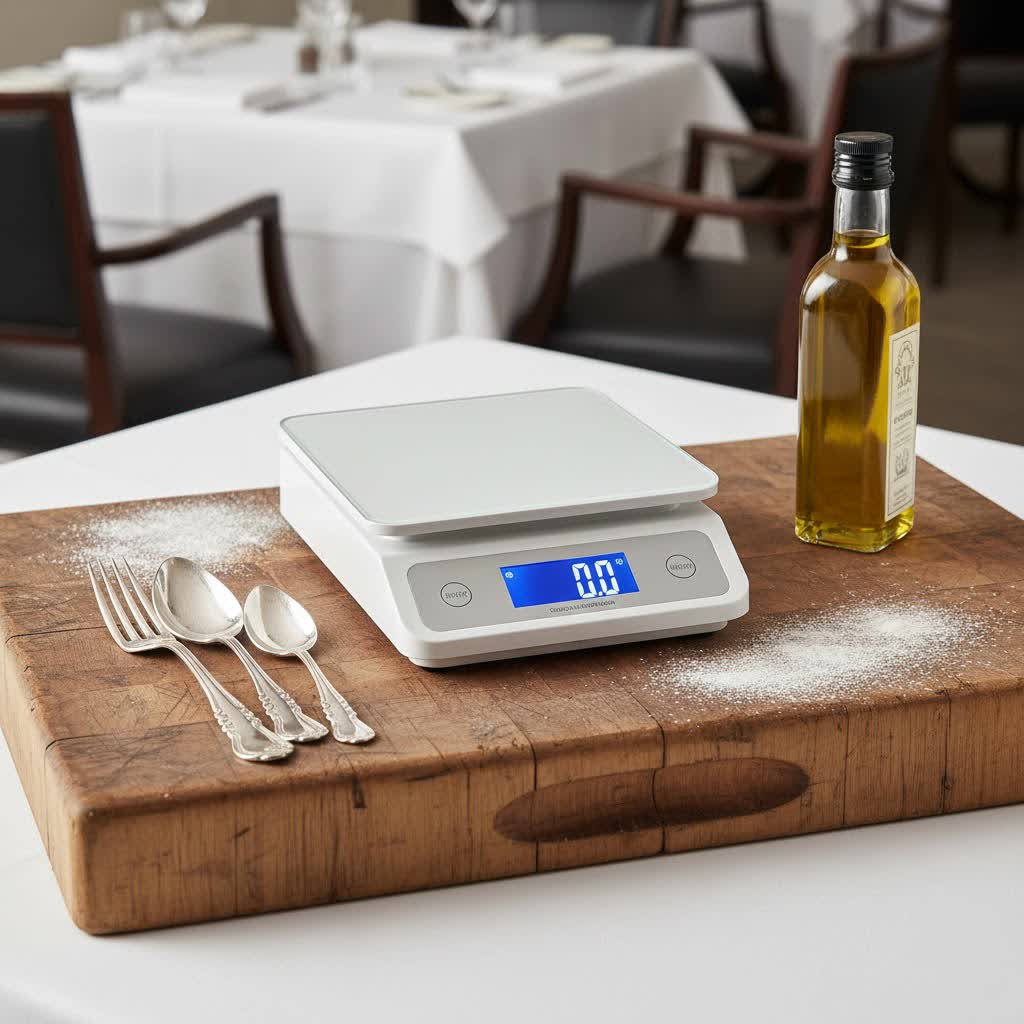
Why a Kitchen Scale is Essential for Your Weight Loss Journey
The cornerstone of successful weight loss often lies in creating a calorie deficit – consuming fewer calories than your body burns. This requires precise tracking of your food intake, a task where traditional measuring cups and spoons frequently fall short. Weight, unlike volume, offers unwavering accuracy, eliminating the common pitfalls of overestimation or underestimation that can derail your diet.
Using a kitchen scale for weight loss provides several profound benefits:
- Accurate Portion Control: It demystifies serving sizes, helping you understand precisely how much food constitutes a recommended portion. This eradicates guesswork, ensuring you’re neither overeating nor inadvertently undereating, which can both hinder progress.
- Precise Calorie and Macro Tracking: For specific diet plans like Keto, or simply managing your daily calorie intake, a kitchen scale is invaluable. It allows you to log the exact weight of ingredients, translating into highly accurate calorie and macronutrient counts. This precision empowers you to adhere strictly to your dietary goals.
- Promotes Mindful Eating: The act of weighing your food encourages a more conscious and deliberate approach to eating. It fosters a deeper understanding of food quantities and their nutritional value, helping you develop healthier eating habits and reduce impulsive consumption.
- Consistency in Recipes and Meal Prep: If you’re following a structured meal plan or baking healthy recipes, a kitchen scale ensures consistent results every time. This consistency is vital for maintaining dietary adherence and enjoying predictably delicious, perfectly portioned meals.
- Reveals Hidden Calories: You might be surprised by the actual weight, and therefore calorie count, of seemingly small portions of processed foods or common staples like cereal. A kitchen scale uncovers these “hidden” calories, helping you make more informed food choices.
- Reduces Food Waste: By measuring ingredients precisely, you only use what’s needed, minimizing food waste and making your meal preparation more cost-effective.
Understanding the Different Types of Kitchen Scales
When selecting a kitchen scale for weight loss, you’ll primarily encounter two main types: digital and smart nutrition scales. While mechanical scales exist, their accuracy is generally insufficient for precise dietary tracking.
Digital Scales
Digital kitchen scales are the most popular choice for general cooking, baking, and weight loss.
- Accuracy: They offer gram-level precision, which is crucial for tracking calories and macros.
- Units of Measurement: Most digital scales can switch between various units, including grams (g), ounces (oz), pounds (lb), and milliliters (ml) for liquids.
- Tare Function: This essential feature allows you to zero out the weight of a container or previous ingredients, enabling you to measure multiple items in the same bowl without complex calculations.
- Display: Typically feature a clear, easy-to-read LCD screen, often backlit for visibility in various lighting conditions.
|
Our Picks for the Best Kitchen Scale in 2026
As an Amazon Associate I earn from qualifying purchases.
|
||
| Num | Product | Action |
|---|---|---|
| 1 | Food Scale, 11lb Digital Kitchen Scale with 6 Units LCD Display and Tare Function,Compact Design for Baking,Healthy Cooking,Meal Prep, 304 Stainless Steel |

|
| 2 | KitchenAid KQ908 Glass Surface 11 Pound Capacity Digital Kitchen and Food Scale, Black |
|
| 3 | Etekcity Food Kitchen Scale, Digital Grams and Ounces for Weight Loss, Baking, Cooking, Keto and Meal Prep, LCD Display, Medium, 304 Stainless Steel |
|
| 4 | Etekcity Digital Food Kitchen Scale, Grams and Oz for Weight Loss, Baking and Cooking, 0.05oz/1g Precise Graduation,5 Weight Units, IPX6 Waterproof, USB Rechargeable,304 Stainless Steel-Silver, 22lb |
|
| 5 | Amazon Basics Digital Kitchen Scale with LCD Display, Tare Function, Multiple Units, Weighs up to 11 Pounds, Batteries Included, Black and Stainless Steel |
|
| 6 | Food Scale -33lb Digital Kitchen Scale for Food Ounces Grams Rechargeable 304 Stainless Steel,Batteries and Type-C Charging - Perfect for Meal Prep, Cooking, and Baking, Black |
|
| 7 | Nicewell Food Scale, 22lb Digital Kitchen Scale Weight Grams and oz for Cooking Baking, 1g/0.1oz Precise Graduation, Stainless Steel and Tempered Glass (Ash Silver) |
|
| 8 | Mik-Nana Food Scale, 10kg/22lb Digital Kitchen Scale Weight Grams and Ounces for Baking Cooking Coffee Package Postage, 6 Units with Tare Function, LCD Display, Easy Clean Stainless Steel |
|
| 9 | OXO Good Grips 11-Pound Stainless Steel Kitchen Scale with Pull-Out Display - Black |
|
| 10 | Digital Kitchen Food Scale 33lb-Detachable LCD Display,1g/0.1oz Precise Electronic Weight Scale for Baking, Tare/Hold/Timer Function, Glass Platform, Count Mode, Wall-Mount & Tilt Stand |
|
Smart Nutrition Scales
For those deeply invested in detailed nutritional tracking, smart nutrition scales represent the cutting edge.
- App Connectivity: These scales connect wirelessly (usually via Bluetooth) to a smartphone app.
- Nutrition Databases: The accompanying apps often boast extensive databases of pre-programmed ingredients (sometimes thousands!), allowing you to look up the nutritional information (calories, fats, proteins, carbs, etc.) for measured foods. Some even allow customized entries for homemade recipes.
- Barcode Scanning: Many smart scales integrate with apps that can scan food barcodes to pull up nutritional data automatically.
- Health App Sync: Data can often be synced with popular health and fitness apps like Apple Health or Fitbit, providing a comprehensive overview of your daily intake alongside activity levels.
- Detailed Reports: The apps typically generate daily, weekly, and monthly nutrition reports and graphs, offering valuable insights into your eating patterns and progress toward weight loss goals.
While basic digital scales are excellent for portion control, smart nutrition scales elevate the experience by integrating weighing directly with nutritional analysis, making macro counting and calorie tracking significantly easier.
Key Features to Consider When Choosing a Kitchen Scale for Weight Loss
Selecting the right kitchen scale for weight loss involves more than just picking the first one you see. Consider these features to ensure it aligns with your specific needs:
- Accuracy and Precision: For weight loss, aim for a scale that measures in 1-gram (or 0.05-ounce) increments. This level of precision is vital for accurately tracking ingredients, especially those with high caloric density.
- Weight Capacity: Most home kitchen scales have a capacity between 5 to 11 pounds (2.2 to 5 kg). This is usually sufficient for weighing individual meal components or moderate quantities for meal prep.
- Units of Measurement: Ensure the scale offers the units you prefer to use (grams, ounces, pounds). Many diet plans specify grams for precision, so this is often a critical unit.
- Tare Functionality: This is non-negotiable. The tare button allows you to subtract the weight of any container, or incrementally zero out the scale as you add different ingredients to the same bowl.
- Display Readability: Look for a large, clear, and preferably backlit LCD display. Some models offer a pull-out display feature, which is incredibly useful to prevent large plates or bowls from obstructing your view of the numbers.
- Ease of Cleaning and Durability: Since it will be used frequently for food, opt for a scale with a smooth, easy-to-clean surface, such as stainless steel or tempered glass. These materials are also generally more durable.
- Smart Features and App Integration (Optional but Recommended): If detailed nutrition tracking is a priority, invest in a smart scale. The ability to link with nutrition databases, scan barcodes, and sync with health apps can dramatically simplify your weight loss efforts.
- Power Source: Most scales run on AAA or CR2032 batteries. Some newer models are USB-rechargeable, which can be convenient. Consider battery life and ease of replacement.
- Design and Size: While less critical for functionality, a compact design is easier to store, and an aesthetically pleasing one might encourage you to keep it on your counter, fostering more frequent use.
- Price: Kitchen scales vary widely in price. You can find excellent basic digital scales for under $20, while advanced smart nutrition scales might range from $30 to $70 or more. Determine your budget and prioritize the features most important to your weight loss journey.
Top Recommended Kitchen Scales for Weight Loss
While specific models can vary, here are types of kitchen scales highly recommended for their features beneficial to weight loss:
| Model Type | Key Features for Weight Loss | Ideal User |
|---|---|---|
| Smart Nutrition Scale | App connectivity, vast food database, barcode scanner, detailed nutrition analysis (calories, macros, micros), health app sync. | Dedicated trackers, those counting specific macros/micros |
| OXO Good Grips Digital Scale | High accuracy, pull-out display (prevents obstruction), easy to read, robust design, long standby mode. | Bakers, precise cooks, frequent users, large dish users |
| Escali Primo Digital Scale | User-friendly interface, multiple colors, compact, precise (0.05 oz increments), easy-to-clean sealed buttons. | Beginners, everyday use, limited counter space |
| Etekcity Digital Kitchen Scale | Excellent value, high accuracy, slim design, multiple units, generally affordable. Many models with varying features. | Budget-conscious, general weighing, reliable performance |
Smart Nutrition Scales, such as those by Greater Goods or Etekcity with app integration, stand out for comprehensive weight loss support, allowing you to not just weigh, but also analyze the nutritional content of your meals directly. For those who value accuracy and user-friendliness without the smart features, the OXO Good Grips and Escali Primo are perennial favorites due to their consistent performance and thoughtful design.
How to Effectively Use Your Kitchen Scale for Weight Loss
Integrating a kitchen scale into your daily routine is straightforward and highly impactful. Here’s a step-by-step guide to maximize its benefits for weight loss:
- Placement and Setup: Place your kitchen scale on a flat, stable surface. Turn it on and select your desired unit of measurement – grams are often preferred for their precision in dietary tracking.
- Use the Tare Function: Always place your empty plate or bowl on the scale first. Press the “Tare” or “Zero” button. This subtracts the weight of the container, so the scale only measures your food.
- Measure Ingredients Precisely: Add your food item to the container. If you’re following a recipe or a diet plan, weigh out the exact amount specified (e.g., “100 grams of chicken breast”).
- Layering Ingredients (Advanced Tare Use): When preparing a meal with multiple ingredients in one bowl (like a salad or stir-fry), use the tare function after adding each component. Add your first ingredient, tare the scale, add the next, tare again, and so on. This allows for precise measurement of each item without separate bowls.
- Understand Nutrition Labels: Many food labels provide serving sizes in grams. Use your kitchen scale to measure out that precise gram amount to ensure you’re consuming the exact serving size listed, and therefore the accurate calorie and nutrient information.
- Weigh Raw vs. Cooked Food: For the most accurate nutritional data, especially for meats and grains, it is generally recommended to weigh foods in their raw state. Cooking processes can alter weight due to water loss or absorption, which can lead to discrepancies in your tracking.
- Track Your Intake: Record the precise weights and corresponding nutritional information in a food journal or a diet tracking app. If you have a smart nutrition scale, its app will often do this automatically. Consistency in tracking helps you stay accountable and identify patterns.
- Make it a Habit: The more consistently you use your kitchen scale, the more natural it will become. Incorporate it into your meal prep, snack portioning, and cooking routines. Over time, you’ll develop an intuitive understanding of proper portion sizes, even without the scale.
- Periodically Spot-Check: Once you feel confident in estimating portion sizes, you don’t necessarily need to weigh every single morsel forever. However, it’s a good practice to “spot-check” your portions with the scale once a month or so to ensure your estimations remain accurate and you’re staying on track.
Where to Purchase Your Kitchen Scale
Kitchen scales are widely available, making them easy to acquire.
- Online Retailers: Websites like Amazon, eBay, and directly from brands like Etekcity, OXO, and Escali offer the widest selection, competitive pricing, and user reviews. This is often the best place to find smart nutrition scales with specific app features.
- Department Stores: Major department stores and home goods retailers (e.g., Target, Walmart, Bed Bath & Beyond) typically carry a range of digital kitchen scales.
- Specialty Kitchen Stores: Stores focused on cooking and baking supplies will have a curated selection of higher-quality scales, and staff can often provide expert advice.
- Electronics Stores: Some electronics retailers may carry smart kitchen scales that emphasize app connectivity.
Tips for Buying Online:
- Read Reviews: Pay attention to customer reviews regarding accuracy, durability, and ease of use.
- Check Specifications: Confirm the weight capacity, unit options, and any smart features.
- Return Policy: Ensure the retailer has a clear return policy in case the scale doesn’t meet your expectations.
Conclusion
A kitchen scale for weight loss is far more than just a gadget; it’s a powerful ally in your journey toward a healthier lifestyle. By providing unparalleled accuracy in portion control and nutritional tracking, it removes guesswork, fosters mindful eating, and empowers you to make informed decisions about your diet. Whether you choose a basic digital model for precise weighing or a smart nutrition scale for comprehensive data analysis, this simple tool can profoundly impact your ability to achieve and maintain your weight loss goals.
Isn’t it time to take the guesswork out of your diet and embrace the precision that can truly transform your results?
Frequently Asked Questions
How accurate do kitchen scales need to be for weight loss?
For effective weight loss and precise nutrition tracking, a kitchen scale should be accurate to at least 1 gram (or 0.05 ounces). This level of precision ensures that small differences in food quantities, which can add up significantly over time, are accurately accounted for.
Can I use a regular kitchen scale for weight loss, or do I need a “nutrition scale”?
A “regular” digital kitchen scale with gram-level accuracy and a tare function is perfectly sufficient for portion control and manual calorie tracking for weight loss. A “nutrition scale” (or smart scale) offers enhanced features like food databases and app integration for automatic nutritional analysis, which can be very convenient but is not strictly necessary to start.
Should I weigh food cooked or raw for weight loss?
For the most accurate nutritional data, it is generally recommended to weigh foods, especially proteins and grains, in their raw state. Cooking processes can cause foods to lose or absorb water, altering their weight and potentially skewing your calorie and macronutrient calculations if measured after cooking.
How often should I use my kitchen scale for weight loss?
Initially, using your kitchen scale for most meals and snacks will help you learn true portion sizes and develop an accurate understanding of your intake. As you become more adept at estimating, you can reduce frequency, perhaps using it for meal prep or periodically to “spot-check” your portion estimations and ensure you’re staying on track.
What is the tare function and why is it important for weight loss?
The tare function (or zero function) on a kitchen scale allows you to reset the display to zero after placing a container on it, so only the food’s weight is measured. It’s crucial for weight loss because it enables precise measurement of ingredients in any bowl or plate, and allows you to add and measure multiple ingredients sequentially in the same container without doing any manual subtraction.
