The secret to culinary perfection often lies in precision. While traditional measuring cups and spoons offer a general idea, guesswork with volume measurements frequently leads to inconsistent results in your cooking and baking. A digital kitchen scale is the indispensable tool that brings accuracy and reliability to your kitchen, transforming your culinary endeavors and ensuring every dish turns out exactly as intended.
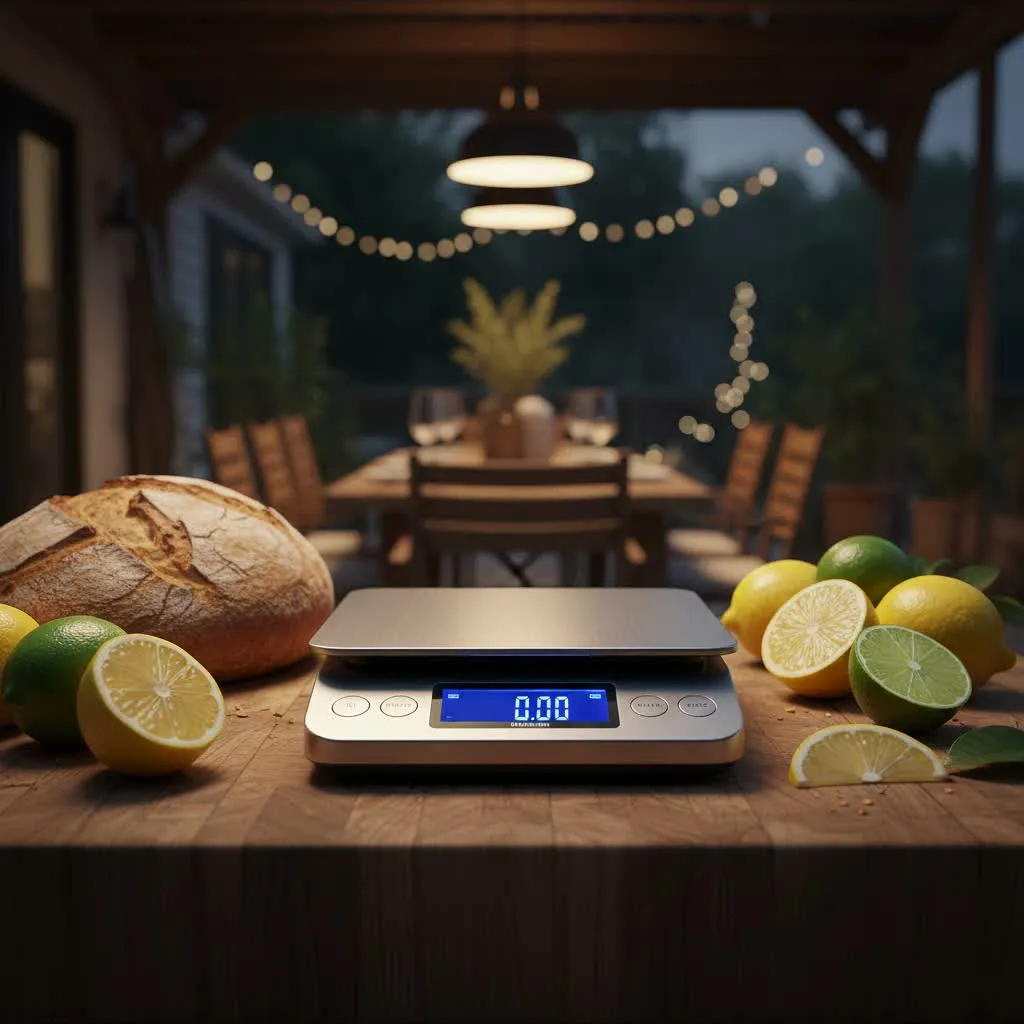
Why You Need a Digital Kitchen Scale
A digital kitchen scale is far more than a gadget; it’s a fundamental tool for anyone serious about improving their cooking and baking.
- Precision and Consistency: For delicate recipes, especially in baking where ingredient ratios are critical for chemical reactions, a digital scale ensures unparalleled accuracy. It eliminates the variability of volume measurements, where factors like how densely flour is packed or humidity can drastically alter results. This leads to consistent outcomes every single time.
- Portion Control and Health Management: If you’re managing your diet, tracking nutritional intake, or simply want to control portion sizes, a digital scale is invaluable. It allows you to precisely measure food according to serving sizes or dietary requirements, supporting a healthier lifestyle.
- Efficiency and Less Mess: Imagine adding flour, then sugar, then cocoa powder all into the same mixing bowl without needing multiple measuring cups. The tare function on a digital scale lets you zero out the weight after each ingredient, streamlining your process and significantly reducing cleanup time.
- Versatility Beyond Food: While essential for food preparation, a digital scale also proves useful for other household tasks. From portioning pet food accurately to weighing small packages for postage, its utility extends throughout the home.
- Effortless Unit Conversion: Encountering a recipe that uses grams when you’re used to ounces, or vice versa, can be frustrating. Most digital kitchen scales allow you to switch instantly between various units like grams, ounces, pounds, and milliliters with the push of a button, making international recipes simple to follow.
|
Our Picks for the Best Kitchen Scale in 2026
As an Amazon Associate I earn from qualifying purchases.
|
||
| Num | Product | Action |
|---|---|---|
| 1 | KitchenAid KQ908 Glass Surface 11 Pound Capacity Digital Kitchen and Food Scale, Black |

|
| 2 | Digital Kitchen Food Scale 33lb-Detachable LCD Display,1g/0.1oz Precise Electronic Weight Scale for Baking, Tare/Hold/Timer Function, Glass Platform, Count Mode, Wall-Mount & Tilt Stand |
|
| 3 | Mik-Nana Food Scale, 10kg/22lb Digital Kitchen Scale Weight Grams and Ounces for Baking Cooking Coffee Package Postage, 6 Units with Tare Function, LCD Display, Easy Clean Stainless Steel |
|
| 4 | Amazon Basics Digital Kitchen Scale with LCD Display, Tare Function, Multiple Units, Weighs up to 11 Pounds, Batteries Included, Black and Stainless Steel |
|
| 5 | Etekcity Digital Food Kitchen Scale, Grams and Oz for Weight Loss, Baking and Cooking, 0.05oz/1g Precise Graduation,5 Weight Units, IPX6 Waterproof, USB Rechargeable,304 Stainless Steel-Silver, 22lb |
|
| 6 | Nicewell Food Scale, 22lb Digital Kitchen Scale Weight Grams and oz for Cooking Baking, 1g/0.1oz Precise Graduation, Stainless Steel and Tempered Glass (Ash Silver) |
|
| 7 | Etekcity Food Kitchen Scale, Digital Grams and Ounces for Weight Loss, Baking, Cooking, Keto and Meal Prep, LCD Display, Medium, 304 Stainless Steel |
|
| 8 | Food Scale, 11lb Digital Kitchen Scale with 6 Units LCD Display and Tare Function,Compact Design for Baking,Healthy Cooking,Meal Prep, 304 Stainless Steel |
|
| 9 | OXO Good Grips 11-Pound Stainless Steel Kitchen Scale with Pull-Out Display - Black |
|
| 10 | Food Scale -33lb Digital Kitchen Scale for Food Ounces Grams Rechargeable 304 Stainless Steel,Batteries and Type-C Charging - Perfect for Meal Prep, Cooking, and Baking, Black |
|
Digital vs. Mechanical Kitchen Scales
When choosing a kitchen scale, you’ll primarily encounter two types: digital and mechanical. Understanding their differences is key to selecting the best fit for your needs.
- Digital Scales (Electronic): These modern scales utilize electronic sensors to detect weight, displaying it on an easy-to-read digital screen.
- Advantages: Digital scales offer superior accuracy, often measuring down to 0.1 gram, which is vital for precise tasks. They commonly feature a tare function, multiple unit options, and are generally compact and aesthetically pleasing.
- Disadvantages: They require batteries or a power source, can be sensitive to liquid spills, and may sometimes have a higher upfront cost than mechanical models.
- Mechanical Scales (Traditional): These scales rely on springs and levers to measure weight, typically displaying it with a needle on a dial.
- Advantages: Mechanical scales are known for their durability and don’t require batteries, making them reliable in any situation. They often have a larger capacity and can be simpler in design.
- Disadvantages: They are significantly less precise than digital scales, can be harder to read accurately, usually lack a tare function, and offer limited unit options.
For modern kitchens and demanding recipes, digital scales are overwhelmingly preferred due to their precision and advanced features.
Key Factors When Choosing a Digital Kitchen Scale
Selecting the right digital kitchen scale involves considering several important factors to ensure it meets your specific culinary demands.
- Accuracy: This is paramount for consistent results. Look for scales that are consistently accurate within 1 gram for general cooking and baking. For highly precise tasks like brewing specialty coffee or measuring delicate spices, a precision scale that measures down to 0.1 gram is ideal.
- Capacity (Weight Limit): Consider the maximum weight you’ll typically need to measure. A common household digital kitchen scale usually has a capacity of around 5 kilograms (approximately 11 pounds). If you frequently prepare large batches, such as for catering or large families, a model with a 10 kg (22 lbs) capacity or more would be more suitable. Smaller “pocket” scales are available for weighing very small quantities, often up to 5 kilograms.
- Units of Measurement: Ensure the scale offers all the units you’ll need. Standard options include grams (g), ounces (oz), and pounds (lb). For liquid measurements, some scales also provide milliliters (ml) by converting weight to volume, which can be a convenient feature.
- Tare Function: An indispensable feature, the tare (or zero) function allows you to reset the scale to zero after placing a container on it, effectively subtracting the container’s weight. It’s also crucial for adding multiple ingredients to the same bowl sequentially, simplifying complex recipes and minimizing dishwashing.
- Display: The display should be clear, easy to read, and preferably backlit, especially in varying kitchen lighting. Some innovative designs feature pull-out displays or elevated platforms to prevent large mixing bowls from obscuring the screen. A good auto-off feature with a reasonable delay (e.g., 3-5 minutes) helps conserve battery life without interrupting your workflow.
- Material: The material of your kitchen scale impacts its durability, ease of cleaning, and aesthetic appeal.
- Stainless Steel: Known for its durability, resistance to corrosion, hygienic properties, and sleek, professional look. It’s also very easy to wipe clean.
- Tempered Glass: Offers a modern, elegant aesthetic and is simple to clean. It’s also suitable for both hot and cold foods, though it can be more fragile than stainless steel.
- Plastic: Often the most lightweight and affordable option. However, it may not feel as premium or durable as metal or glass.
- Design & Size: A compact design is beneficial for easy storage in crowded kitchen drawers or cabinets. Look for a stable base to prevent tipping and a sufficiently flat, wide weighing surface that can accommodate various bowl and plate sizes.
- Additional Features:
- Smart Features: Some advanced digital scales offer Bluetooth connectivity to smartphone apps, allowing for nutritional tracking (calories, fats, proteins, carbohydrates), dietary recommendations, and progress monitoring.
- Timer: Integrated timers are particularly useful for tasks like coffee brewing or recipes requiring precise timing alongside weighing.
- Dual Platform: A less common but highly specialized feature, dual platform scales include two separate weighing surfaces: one for larger quantities and another for highly precise, smaller measurements (e.g., 0.1g increments).
Popular Digital Kitchen Scale Types and Their Best Uses
Digital kitchen scales come in various specialized forms to cater to different needs.
- Standard Digital Kitchen Scale: This is your everyday workhorse, perfect for general cooking, baking, and basic portioning. It offers excellent accuracy for most recipes and is typically affordable.
- Precision/Coffee Scale: Designed for meticulous measurements, these scales are often accurate to 0.1 gram and may include a built-in timer. They are indispensable for brewing specialty coffee, crafting delicate pastries like macarons, or measuring small quantities of spices and yeast.
- Smart Nutrition Scale: Equipped with Bluetooth or Wi-Fi connectivity, these scales link to smartphone apps to provide detailed nutritional breakdowns (calories, macros) of your food. They are ideal for health-conscious individuals, those on specific diets, or anyone tracking their food intake precisely.
- Large Capacity Scale: With maximum weight limits of 10 kg (22 lbs) or more, these scales are built for heavy-duty use. They are perfect for large-batch baking, preparing meals for big gatherings, or for use in professional kitchen settings.
- Pocket Scale: Highly portable and compact, pocket scales are designed for measuring very small quantities on the go. They typically have lower maximum capacities but high precision.
How to Use and Maintain Your Digital Kitchen Scale
Proper usage and maintenance will ensure your digital kitchen scale remains accurate and extends its lifespan.
- Usage Guidelines:
- Always place your scale on a flat, stable, and level surface to ensure accurate readings.
- Turn the scale on and allow it a moment to calibrate to zero before placing anything on it.
- Select your desired unit of measurement (e.g., grams, ounces).
- Place your empty mixing bowl or container onto the scale, then press the TARE or ZERO button to reset the display to zero.
- Carefully add your ingredients until the desired weight is displayed.
- If adding multiple ingredients into the same bowl, press TARE again after each addition to measure the next ingredient accurately.
- Maintenance Tips:
- Clean your digital kitchen scale with a damp cloth after each use. Avoid abrasive cleaners that could scratch the surface or harsh chemicals that might damage electronic components.
- Never submerge the scale in water or place it under a running faucet, as this can damage the internal electronics.
- If your scale is battery-operated and will be stored for an extended period, remove the batteries to prevent leakage and corrosion.
- Handle your scale with care; dropping it or applying excessive force can damage the sensitive weighing sensors, affecting its accuracy.
- Some professional-grade scales allow for manual calibration. Refer to your scale’s manual for instructions if this feature is available and necessary.
Where to Buy a Digital Kitchen Scale
You have several options when it comes to purchasing a digital kitchen scale, each offering different advantages.
- Online Retailers: Websites like Amazon, Wayfair, or specialized kitchenware stores online offer the widest selection of brands and models, often with competitive pricing and detailed customer reviews. This allows for thorough comparison shopping from the comfort of your home.
- Department Stores and Kitchen Appliance Stores: Visiting physical stores like Macy’s, Bed Bath & Beyond, or dedicated kitchen supply shops allows you to see and feel the scales in person. You can assess their size, build quality, and ease of use firsthand, and sales associates can provide expert advice.
- Check Reviews and Specifications: Regardless of where you buy, always take the time to read product reviews and compare specifications carefully. Pay attention to user feedback regarding accuracy, durability, and customer service.
Comparison Table: Digital Kitchen Scale Features
| Feature | Standard Digital Scale | Precision/Coffee Scale | Smart Nutrition Scale |
|---|---|---|---|
| Accuracy | Good (typically 1g increments) | Excellent (often 0.1g increments) | Good (typically 1g increments), focus on data |
| Capacity | 5-8 kg (11-17 lbs) | 500g – 3 kg (1-6 lbs) | 5-8 kg (11-17 lbs) |
| Units | g, oz, lb, ml | g, oz (some with mg) | g, oz, lb, ml |
| Tare Function | Yes | Yes | Yes |
| Display | Clear LCD, often backlit | Clear LCD, often backlit, may include timer | Backlit LCD, app provides detailed info |
| Connectivity | None | Minimal (some high-end coffee scales have Bluetooth) | Bluetooth/Wi-Fi to smartphone apps for tracking |
| Key Benefit | Everyday cooking & baking, general portioning | Exact measurements for critical recipes, specialized brewing | Health tracking, dietary management, detailed food analysis |
| Price Range | Low to Mid | Mid to High | Mid to High |
Digital Kitchen Scale Buying Guide
To simplify your decision, follow this step-by-step buying guide for your new digital kitchen scale:
- Assess Your Primary Needs: What will be the main purpose of your scale? Is it for precise baking, portion control for a diet, brewing specialty coffee, or weighing large batches of ingredients?
- Determine Required Accuracy: For most kitchen tasks, a 1-gram accuracy is sufficient. For highly sensitive applications like coffee or spice measurement, opt for a scale with 0.1-gram precision.
- Consider Capacity: A 5 kg (11 lbs) capacity is adequate for most home cooks. If you frequently handle larger quantities, look for models with a 10 kg (22 lbs) capacity or more.
- Check for Essential Features: Ensure the scale includes a responsive tare function and the ability to switch between common units of measurement (grams, ounces, pounds).
- Evaluate Display Visibility: A clear, backlit LCD display is crucial. Consider features like a pull-out screen or an elevated platform if you often use large bowls.
- Examine Material and Durability: Stainless steel and tempered glass offer durability and are easy to clean. Think about how the material fits your kitchen aesthetic and how often you’ll be cleaning it.
- Read User Reviews: Consult online reviews for real-world feedback on performance, reliability, and any potential quirks of the models you are considering.
- Set a Budget: Digital kitchen scales vary widely in price. Determine how much you’re willing to spend, balancing cost with desired features and build quality.
Conclusion
A digital kitchen scale is an indispensable tool for achieving consistent, precise, and delicious results in the modern kitchen. Its ability to provide exact measurements for ingredients, facilitate portion control, and streamline the cooking process makes it a worthwhile investment for any home chef or baker. By carefully considering factors such as accuracy, capacity, and essential features like the tare function, you can select the perfect digital kitchen scale to elevate your culinary skills. What culinary creation will you master next with your new digital kitchen scale?
Frequently Asked Questions
How accurate are digital kitchen scales?
Most standard digital kitchen scales offer accuracy within 1 gram, making them reliable for most cooking and baking tasks. For specialized applications such as coffee brewing or measuring potent spices, more advanced precision scales can measure down to 0.1 gram, offering exceptional detail.
Can a digital kitchen scale replace measuring cups?
Absolutely, a digital kitchen scale offers superior accuracy compared to traditional measuring cups, especially for dry ingredients like flour, which can vary significantly in volume depending on how they are packed. Using a scale ensures consistent and reliable results every time.
What is the tare function used for on a digital kitchen scale?
The tare function allows you to zero out the weight displayed on the scale. This is incredibly useful for weighing ingredients directly into a bowl or container, as you can subtract the container’s weight. It also enables you to add multiple ingredients sequentially into the same vessel without manual calculations.
Do digital kitchen scales require batteries?
Yes, the majority of digital kitchen scales are battery-operated, typically powered by AAA or coin-cell batteries. Some high-end or smart models may feature rechargeable batteries or an option for an AC adapter. Look for models with an auto-off feature to help extend battery life.
What’s the ideal capacity for a home digital kitchen scale?
For the average home cook, a digital kitchen scale with a capacity of 5 kilograms (approximately 11 pounds) is generally sufficient for daily cooking and baking. If you often prepare large quantities or weigh heavier items, consider a model with a 10 kg (22 lbs) capacity or more.
