Cooking and baking are as much an art as they are a science, and in the culinary world, precision is the secret ingredient to consistent success. Whether you’re a seasoned chef or a home cook just starting, a good kitchen scale is an indispensable tool that elevates your dishes from good to gourmet. Forget the guesswork of measuring cups; a kitchen scale provides exact measurements, ensuring your recipes turn out perfectly every single time. It’s the ultimate upgrade for accuracy, efficiency, and delicious results.
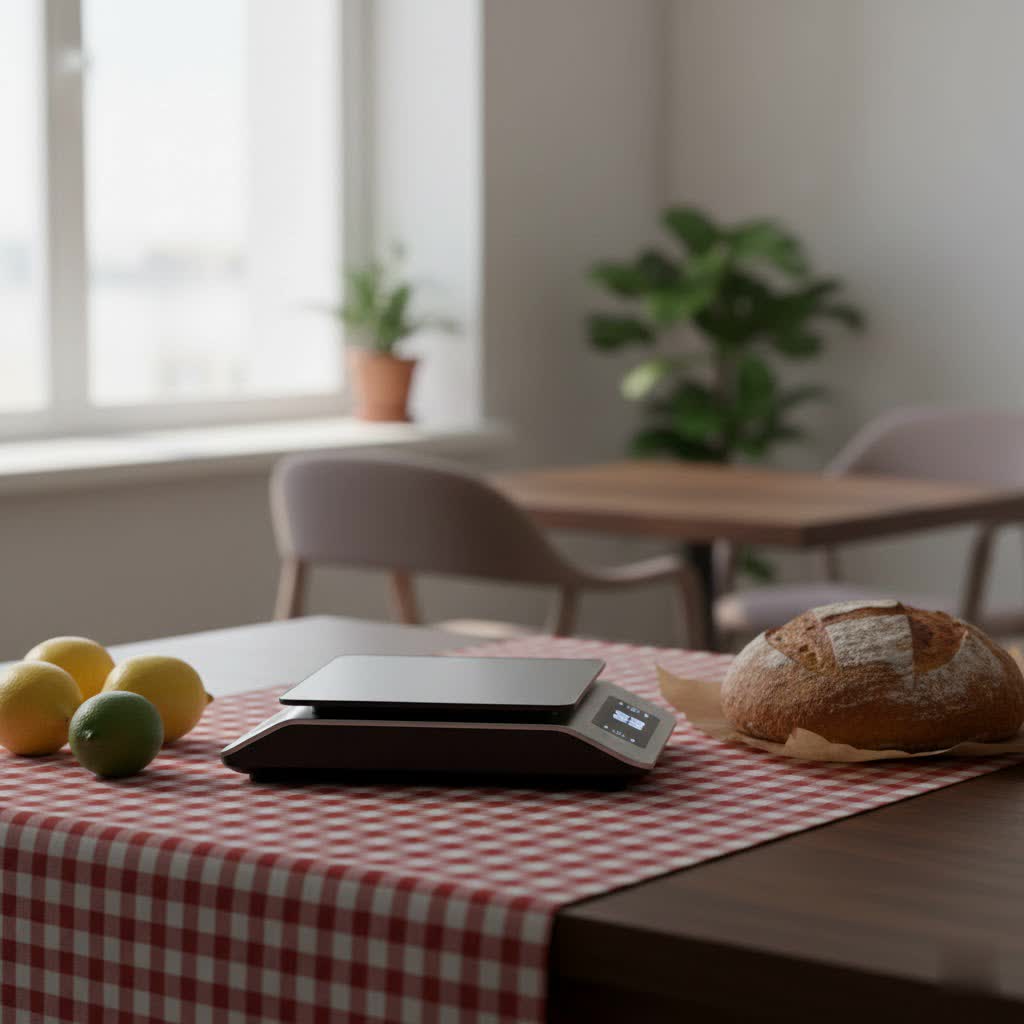
Why a Kitchen Scale is Essential for Every Cook
The importance of accurate measurement in cooking, especially baking, cannot be overstated. Volume measurements, like cups, can vary wildly—a cup of flour could weigh anywhere from 4 to 6 ounces depending on how it’s packed and the humidity. This inconsistency can lead to frustrating culinary mishaps, from dense cakes to doughs that refuse to rise. Professional chefs and bakers universally rely on weight measurements for this very reason, guaranteeing consistent outcomes with every ingredient.
Using a kitchen scale offers numerous benefits beyond mere accuracy. It streamlines your cooking process, allowing you to measure multiple ingredients directly into one bowl using the tare function, drastically reducing cleanup. For those mindful of portion control or dietary needs, a scale provides the exact figures required for precise meal prep and nutrition tracking. From balancing complex sourdough recipes to perfectly portioning ingredients for healthy meals, a kitchen scale empowers you to cook with confidence and achieve superior results.
Types of Kitchen Scales: Finding Your Perfect Match
The market offers a variety of kitchen scales, each with unique advantages. Understanding the main types will help you choose the best one for your culinary adventures.
Digital Kitchen Scales
|
Our Picks for the Best Kitchen Scale in 2026
As an Amazon Associate I earn from qualifying purchases.
|
||
| Num | Product | Action |
|---|---|---|
| 1 | KitchenAid KQ908 Glass Surface 11 Pound Capacity Digital Kitchen and Food Scale, Black |

|
| 2 | Mik-Nana Food Scale, 10kg/22lb Digital Kitchen Scale Weight Grams and Ounces for Baking Cooking Coffee Package Postage, 6 Units with Tare Function, LCD Display, Easy Clean Stainless Steel |
|
| 3 | Food Scale -33lb Digital Kitchen Scale for Food Ounces Grams Rechargeable 304 Stainless Steel,Batteries and Type-C Charging - Perfect for Meal Prep, Cooking, and Baking, Black |
|
| 4 | Etekcity Food Kitchen Scale, Digital Grams and Ounces for Weight Loss, Baking, Cooking, Keto and Meal Prep, LCD Display, Medium, 304 Stainless Steel |
|
| 5 | Digital Kitchen Food Scale 33lb-Detachable LCD Display,1g/0.1oz Precise Electronic Weight Scale for Baking, Tare/Hold/Timer Function, Glass Platform, Count Mode, Wall-Mount & Tilt Stand |
|
| 6 | Etekcity Digital Food Kitchen Scale, Grams and Oz for Weight Loss, Baking and Cooking, 0.05oz/1g Precise Graduation,5 Weight Units, IPX6 Waterproof, USB Rechargeable,304 Stainless Steel-Silver, 22lb |
|
| 7 | Amazon Basics Digital Kitchen Scale with LCD Display, Tare Function, Multiple Units, Weighs up to 11 Pounds, Batteries Included, Black and Stainless Steel |
|
| 8 | Food Scale, 11lb Digital Kitchen Scale with 6 Units LCD Display and Tare Function,Compact Design for Baking,Healthy Cooking,Meal Prep, 304 Stainless Steel |
|
| 9 | OXO Good Grips 11-Pound Stainless Steel Kitchen Scale with Pull-Out Display - Black |
|
| 10 | Nicewell Food Scale, 22lb Digital Kitchen Scale Weight Grams and oz for Cooking Baking, 1g/0.1oz Precise Graduation, Stainless Steel and Tempered Glass (Ash Silver) |
|
Digital scales are by far the most popular choice due to their superior accuracy and ease of use. They provide precise readings, often down to fractions of a gram, making them ideal for delicate tasks like baking where even minor discrepancies can impact the final product. Many digital models feature a clear, backlit display, tare function, and multiple unit conversions (grams, ounces, pounds, kilograms). They are typically powered by batteries, though some rechargeable options are available. Their sleek, compact designs also make them easy to store.
Mechanical Kitchen Scales
Traditional mechanical scales, often recognized by their classic dial, operate without batteries, relying on a spring mechanism to weigh ingredients. While durable and simple, they generally lack the fine precision of digital scales, often measuring in larger increments. They are a good choice for those who prefer a no-fuss, battery-free option for less precise tasks or simply admire a vintage aesthetic in their kitchen. However, their larger size can sometimes be a drawback for storage.
Smart Kitchen Scales
For the tech-savvy cook, smart kitchen scales offer advanced features like Bluetooth connectivity and app integration. These scales can sync with your smartphone or tablet, allowing you to track nutritional intake, analyze recipes, and even generate grocery lists based on what you’re weighing. While these features add convenience and functionality, they typically come at a higher price point and might be more than the average home cook needs.
Dual-Platform Kitchen Scales
A specialized type, dual-platform scales, like the Ooni Dual Platform Digital Scale, feature two distinct weighing surfaces: a larger platform for high-capacity measurements and a smaller, highly sensitive platform for minute quantities (e.g., yeast, spices). This design is perfect for dedicated bakers or anyone needing extreme precision for small ingredients alongside larger measurements, offering unparalleled versatility for complex recipes.
Key Factors to Consider When Buying a Kitchen Scale
Choosing a good kitchen scale involves evaluating several critical factors to ensure it meets your specific needs.
-
Accuracy: This is paramount. A good kitchen scale should provide consistent and precise measurements. For most home cooking, a scale accurate to within a gram or two is sufficient, but for baking or molecular gastronomy, look for precision down to 0.1 gram or even 0.01 gram. Always check reviews for consistency across the weighing platform.
-
Weight Capacity: Consider the largest items you typically weigh. Most standard kitchen scales handle up to 11 pounds (5 kg), which is ample for most home cooking and baking. However, if you frequently prepare large batches, such as for sourdough bread or big holiday meals, scales with a higher capacity of 15-22 pounds (7-10 kg) might be more suitable.
-
Units of Measurement: The best kitchen scales offer multiple unit options, including grams (g), ounces (oz), pounds (lb), and kilograms (kg). The ability to switch between metric and imperial units with a simple button press is incredibly convenient, eliminating the need for manual conversions. Some scales also offer fluid ounces (fl oz) and milliliters (ml), but remember these are accurate only for liquids with a density similar to water.
-
Additional Features:
- Tare Function: This essential feature allows you to reset the scale to zero after placing a container on it, letting you weigh multiple ingredients consecutively in the same bowl without subtracting the bowl’s weight manually.
- Display: Look for a large, easy-to-read digital display, ideally with a backlight. A pull-out display, like that on the OXO Good Grips, is particularly useful as it prevents large bowls or plates from obscuring the reading.
- Auto-Off: An auto-off feature helps conserve battery life, but a scale that turns off too quickly (e.g., after 30 seconds) can be frustrating. Look for models with adjustable auto-off times or a standby mode that retains the last measurement for a longer period.
- Hold Function: This feature keeps the weight measurement displayed on the screen even after the item is removed, which is useful for large or awkwardly shaped items.
- Baker’s Percentage Mode: For serious bakers, a scale that calculates baker’s percentages automatically can be a game-changer, simplifying recipe formulation and scaling.
-
Material: Common materials include plastic, stainless steel, and glass.
- Plastic scales are generally the most affordable and lightweight.
- Stainless steel scales offer durability and a sleek, modern look, though they can show fingerprints.
- Glass-topped scales are often the easiest to clean due to their flat, seamless surface, but can be more prone to breakage if dropped.
-
Design and Size: Consider how much counter and storage space you have. Compact, thin scales are easy to tuck away in a drawer, while larger models might offer more stable weighing platforms. Look for designs with minimal crevices where flour or other ingredients can get trapped, making cleaning easier. Non-slip pads on the base are a plus for stability.
-
Price: Kitchen scales range widely in price, from budget-friendly options under $20 to premium models over $100. Our testing indicates that price and quality aren’t always directly related; many inexpensive scales perform just as accurately as their pricier counterparts. Decide on your budget, but prioritize accuracy and essential features over bells and whistles if funds are limited.
Top Kitchen Scale Recommendations
Based on extensive testing and user reviews, several kitchen scales consistently stand out for their accuracy, usability, and value.
-
Etekcity Digital Kitchen Scale: Often praised as a “Best Overall” or “Best Value” option, this scale offers impressive accuracy and precision at a very affordable price. It’s flat and sturdy, with integrated buttons and screen for a thin profile, though its primary drawback is that it cannot get wet, making cleaning challenging. It provides all essential unit options and functions.
-
OXO Good Grips Stainless Steel Food Scale with Pull-Out Display: A perennial favorite for its user-friendly design, this scale features a unique pull-out display that prevents large bowls from obscuring the reading. It’s fast, accurate, and durable, making it an excellent choice for bakers. However, its price is higher, and flour can get stuck in the crevices around the pull-out display.
-
Amazon Basics Digital Kitchen Scale: Another strong contender for “Best Value,” this compact and inexpensive scale delivers accurate measurements for everyday tasks. While its precision might be slightly less than top-tier models for very small increments, it’s a solid, no-frills option that performs reliably for its price point. Its display can be small and unlit, but it juts out to improve visibility.
-
My Weigh KD-8000 Digital Food Scale: Ideal for serious bakers and recipe developers, the KD-8000 boasts a high 22-pound capacity, a large, bright display, and advanced features like a hold button and baker’s percentage calculation. It’s extremely accurate and easy to clean with a removable faceplate, though its larger size makes it less compact for storage.
-
Ooni Dual Platform Digital Scale: This “splurge” option is perfect for specialized tasks, particularly pizza dough making or other recipes requiring both high precision for small ingredients and high capacity for large volumes. It features two separate weighing platforms, offering exceptional versatility and precision down to 0.2 grams on its smaller scale.
-
Escali Primo Digital Food Scale: This compact and user-friendly scale is a long-time favorite for its accuracy and simple design. Available in multiple colors, it typically measures up to 11 pounds in 0.05-ounce increments. Its sealed buttons make it easy to clean, and its lightweight design is great for storage.
How to Use and Care for Your Kitchen Scale
Proper usage and maintenance are key to ensuring the longevity and accuracy of your kitchen scale.
Correct Usage
- Placement: Always place your kitchen scale on a flat, level, and stable surface to ensure accurate readings.
- Turn On and Tare: Turn on the scale. If using a container (bowl, plate), place it on the scale before pressing the “tare” (or “zero”) button. This resets the display to zero, so only the ingredients you add will be measured.
- Add Ingredients: Slowly add your ingredients. For multiple ingredients in one bowl, press “tare” after each addition to zero the scale before adding the next.
- Unit Conversion: Use the “unit” button to switch between grams, ounces, pounds, or kilograms as required by your recipe. Avoid using liquid volume units (ml, fl oz) for dense ingredients like honey, as these are typically calibrated for water.
Maintenance Tips
- Cleaning: Most digital scales are not waterproof. Clean them with a lightly damp cloth or sponge and immediately wipe dry. For models with crevices or buttons, a dry brush can help remove trapped flour or spices. Glass-topped scales are generally the easiest to wipe clean due to their seamless surface.
- Storage: Store your kitchen scale flat in a drawer or cabinet, ensuring nothing heavy is placed on top of it. Constant pressure can affect the scale’s calibration over time. Storing it on its side can also help maintain accuracy.
- Batteries: Low batteries can lead to inconsistent readings. Replace batteries periodically or as soon as you notice erratic measurements. For rechargeable models, keep them charged.
- Calibration: If your scale has a calibration option, use it regularly, especially if you suspect inaccuracies. Refer to your owner’s manual for specific instructions. A common calibration check involves weighing a known item, such as a pound of butter or a specific number of coins (e.g., four U.S. nickels should weigh 20 grams).
Common Issues and Solutions
- Inaccurate Readings: Ensure the scale is on a flat surface, batteries are fresh, and the weight capacity isn’t exceeded. Recalibrate if possible.
- Display Obscured: For scales without a pull-out display, use a smaller bowl or a flat plate, or ensure the bowl’s rim doesn’t overhang the screen.
- Flour Trapped in Crevices: Opt for glass-topped scales or models with sealed buttons. Use parchment paper or plastic wrap on the weighing platform before adding messy ingredients to simplify cleanup.
Where to Purchase Your Kitchen Scale
Finding the right kitchen scale is easier than ever with numerous purchasing options available.
- Department Stores and Home Goods Retailers: Stores like Williams Sonoma, Sur La Table, Target, and Nordstrom often carry a selection of kitchen scales, allowing you to see and feel the products in person.
- Electronics Stores: Stores specializing in small appliances or kitchen gadgets may also stock various models.
- Supermarkets: Some larger supermarkets or hypermarkets might offer basic, budget-friendly kitchen scales in their kitchenware section.
- Online Retailers: E-commerce giants like Amazon are excellent for browsing a vast selection, comparing prices, and reading extensive user reviews. Manufacturer websites such as Etekcity.com or Ooni.com also offer direct purchases.
Tips for Online Shopping
- Read Reviews: Pay close attention to recent user reviews regarding accuracy, durability, and customer service.
- Check Specifications: Verify weight capacity, units of measurement, dimensions, and power source before buying.
- Return Policy: Ensure the retailer has a clear and easy return policy in case the scale doesn’t meet your expectations.
- Compare Prices: Use price comparison tools to find the best deals across different retailers.
Kitchen Scale Comparison Table
| Model | Type | Max Weight (lbs) | Key Features | Pros | Cons | Best For |
|---|---|---|---|---|---|---|
| Etekcity Digital Kitchen Scale | Digital | 11 | Tare, unit conversion, thin profile | Highly accurate, inexpensive, compact | Not waterproof, hard to clean crevices | Budget-conscious, everyday use |
| OXO Good Grips Stainless Steel w/ Pull-Out Display | Digital | 11 | Pull-out display, fast response, manual buttons | Excellent visibility, accurate, durable | Pricey, can trap flour under display | Serious cooks, bakers |
| Amazon Basics Digital Kitchen Scale | Digital | 11 | Compact design, LCD display | Accurate, very affordable, easy to store | Less precise for tiny amounts, unlit display | Occasional use, value |
| My Weigh KD-8000 Digital Food Scale | Digital | 17.6-22 | Baker’s percentage, removable faceplate | Highly accurate, advanced features, durable | Bulky, higher price | Professional bakers, recipe developers |
| Ooni Dual Platform Digital Scale | Digital | 22 (main), 0.4 (small) | Dual platforms (precision & capacity) | Ultra-precise for small items, high capacity | Expensive, larger footprint | Pizza makers, molecular gastronomy |
| Escali Primo Digital Food Scale | Digital | 11 | Compact, sealed buttons | User-friendly, accurate, colorful options | Less precise for very small amounts | General cooking, ease of use |
Your Guide to Buying the Right Kitchen Scale
- Define Your Needs: What will you primarily use the scale for? Baking requires higher precision, while general cooking or meal prep might prioritize capacity and ease of use.
- Set Your Budget: Determine how much you’re willing to spend. Remember, an accurate scale doesn’t always have to be expensive.
- Prioritize Features: Decide which features are non-negotiable (e.g., tare, specific units, backlit display) and which are nice-to-haves (e.g., smart features, dual platform).
- Consider Kitchen Space: Evaluate the scale’s dimensions and design to ensure it fits comfortably in your kitchen and is easy to store.
- Check Reviews: Research user and expert reviews for insights into real-world performance, durability, and any common issues.
- Verify Return Policy: Always ensure you can return or exchange the scale if it doesn’t meet your expectations.
Frequently Asked Questions
What’s the best weight capacity for a kitchen scale?
For most home cooks, a kitchen scale with an 11-pound (5 kg) capacity is sufficient for typical cooking and baking tasks. However, if you often work with very large quantities, a model that supports 15 to 22 pounds (7-10 kg) might be more practical.
Are digital kitchen scales more accurate than mechanical ones?
Yes, digital kitchen scales are generally more accurate than mechanical scales. They can measure down to smaller increments, such as 0.1 gram, providing the precision crucial for baking and detailed recipes. Mechanical scales are often less precise and measure in larger intervals.
How often should I calibrate my kitchen scale?
You should calibrate your kitchen scale regularly, especially if you use it frequently or notice inconsistent readings. A simple way to check calibration is to weigh an object of known weight, like a specific amount of water or a few coins. Always refer to your scale’s manual for specific calibration instructions.
Can I measure liquids on a kitchen scale?
You can measure liquids by weight on a kitchen scale, typically in grams or ounces. Some scales offer specific “fluid ounce” or “milliliter” settings, but these are often based on the density of water. For denser liquids like honey or syrup, it’s usually more accurate to weigh them in grams or ounces rather than relying on volume conversions.
What is the tare function and why is it important?
The tare function allows you to reset the scale’s display to zero after placing a container or an ingredient on it. This is invaluable because it enables you to weigh multiple ingredients consecutively in the same bowl without having to manually calculate and subtract the weight of the container or previously added items, making your cooking process much more efficient and cleaner.
